Aluminum Extrusion Sourcing: Alloys, Die Economics & Cost Optimization
March 6, 2026 · 16 min read
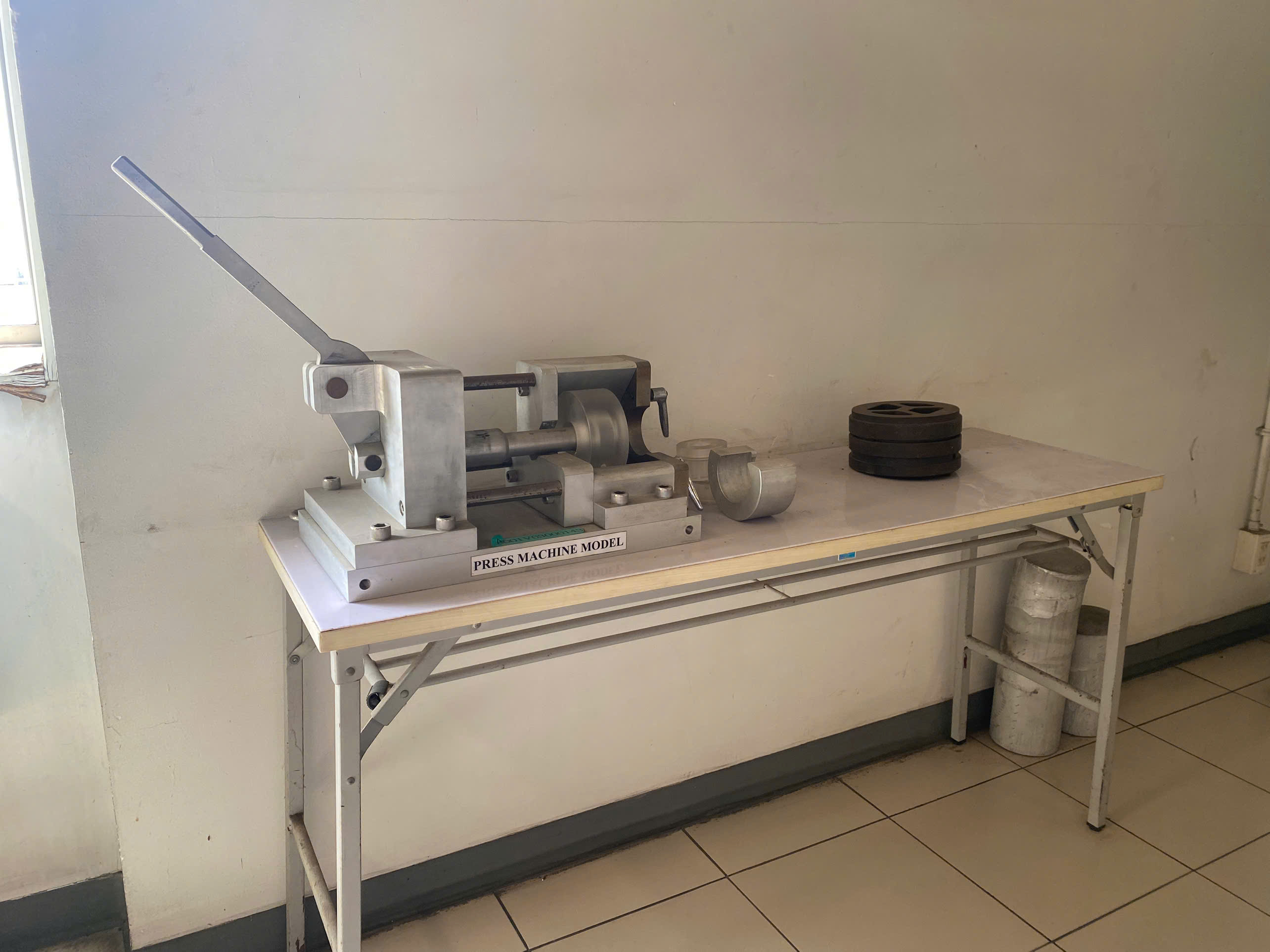
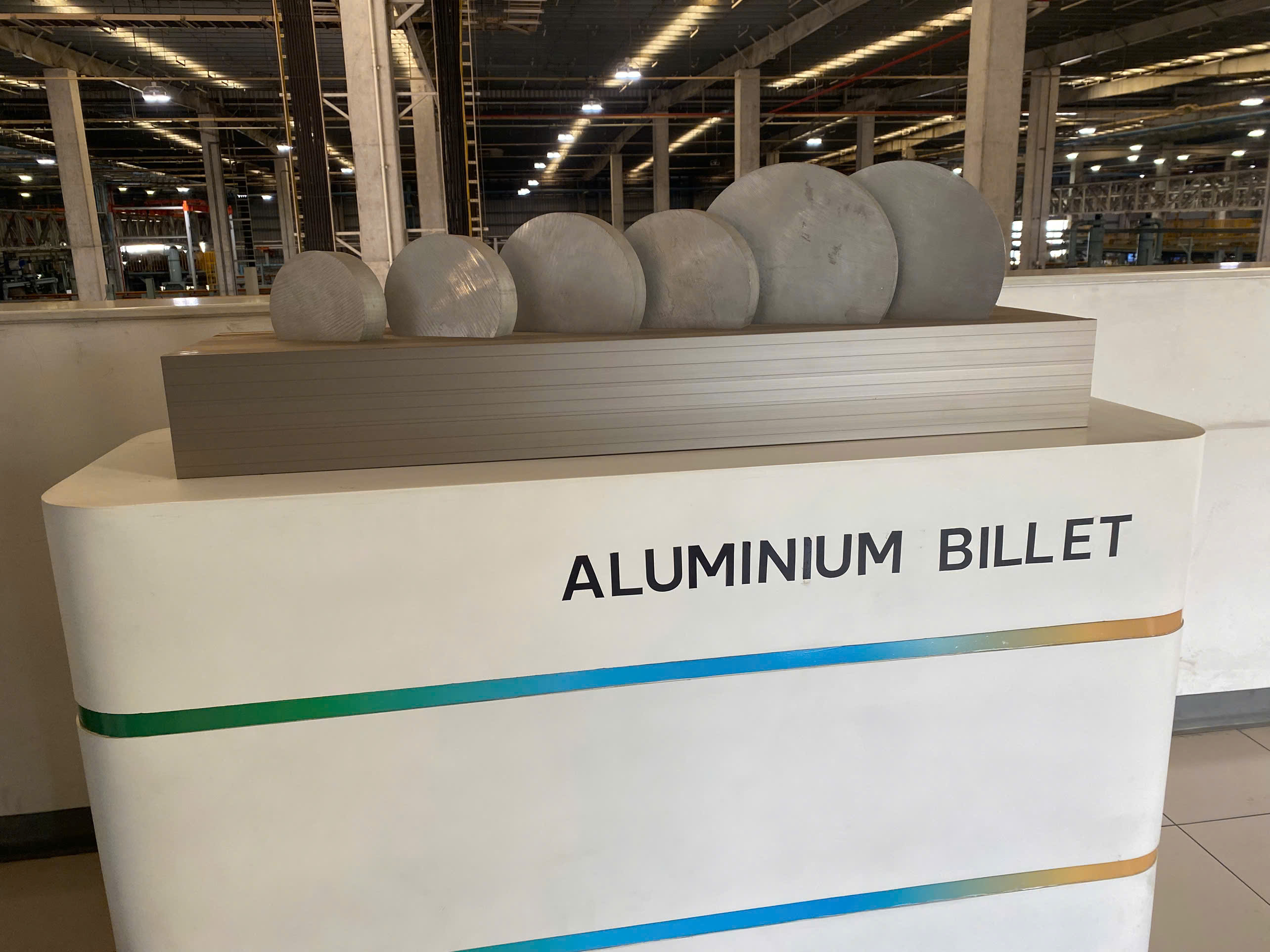
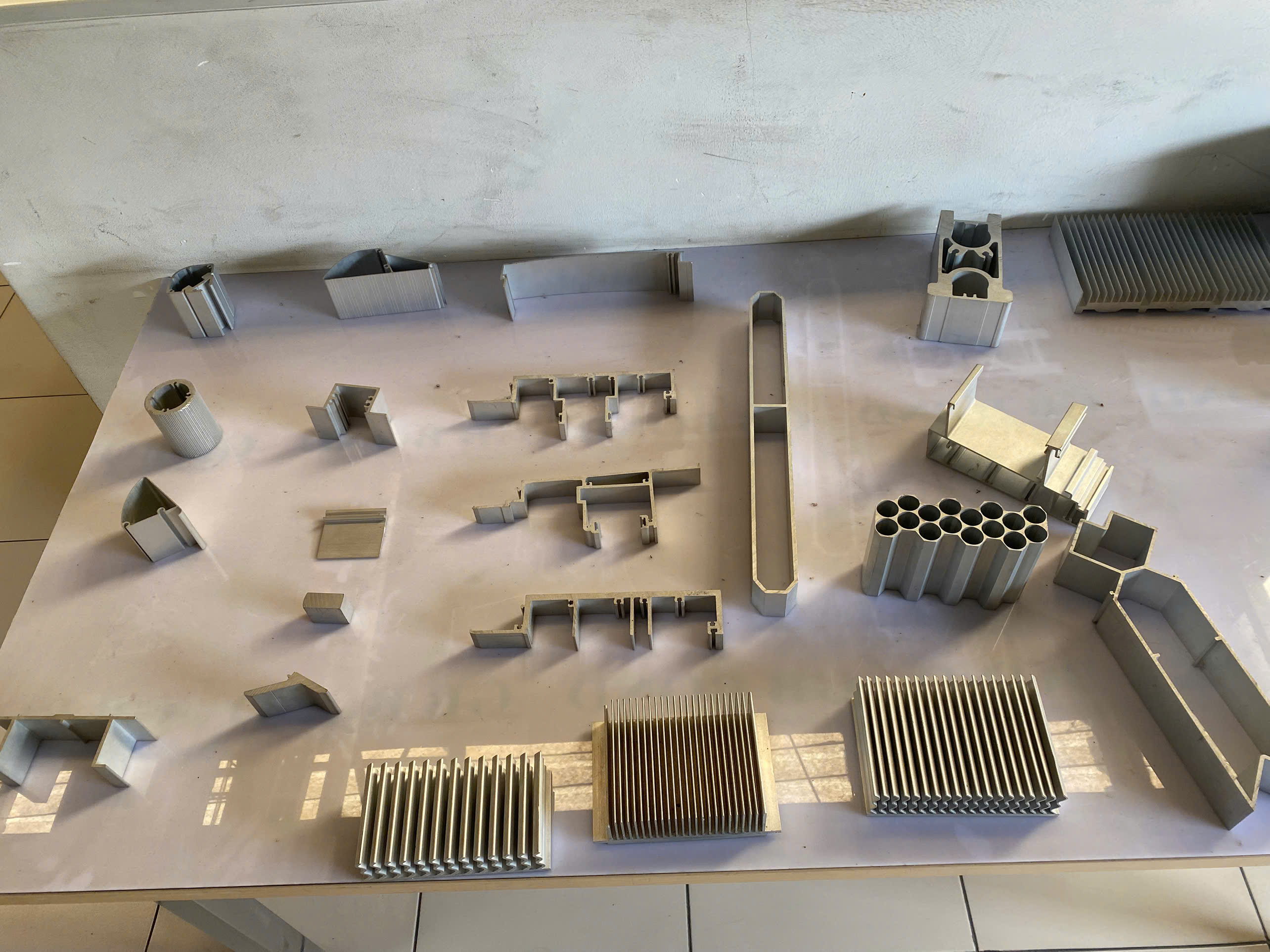
Aluminum extrusion is the most economical method for producing constant cross-section profiles — heat sinks, structural frames, enclosure channels, T-slot systems, and architectural trim. The process pushes heated aluminum billet through a hardened steel die at 10,000–15,000 tonnes of ram force, producing profiles up to 25 meters long. For US procurement teams, the sourcing decision is stark: domestic die tooling runs $1,500–$20,000 per profile, while offshore alternatives cut that by 60–80% with comparable quality.
This guide breaks down alloy selection economics, die tooling trade-offs, per-meter pricing by volume, and a realistic landed cost model — the full picture procurement managers and design engineers need to make sourcing decisions.
Alloy Selection: The Decision That Drives 40% of Your Cost
Aluminum alloy choice determines extrusion speed, die life, surface finish quality, and mechanical properties. The wrong alloy doesn't just affect part performance — it changes your unit economics.
6063-T5 — The Default (85% of Extrusion Volume)
- Tensile strength: 185 MPa | Yield: 145 MPa | Elongation: 8%
- Extrudability: Baseline (100%) — flows easily through complex die geometries, fills thin walls and sharp features
- Surface quality: Excellent — produces smooth, uniform surfaces suitable for Class 1 architectural anodizing
- Applications: Window/door frames, LED heat sinks, T-slot framing (80/20-style), electronics enclosures, furniture
- Cost baseline: This is your $1.00 reference — all other alloys are multiples
- When it's wrong: Any structural application requiring yield >145 MPa. If you're designing to 6063 and adding wall thickness for strength, switch to 6061 — you'll use less material
6061-T6 — Structural & Machineable
- Tensile: 310 MPa | Yield: 275 MPa — nearly double 6063-T5
- Extrudability: 60% of 6063 — requires higher billet temperature (480–520°C), 40% slower press speed
- Cost impact: 20–35% premium over 6063 per meter (slower speed = fewer meters per hour)
- Surface finish: Good but visibly coarser than 6063. Shows die lines. Not ideal for bright anodizing
- Applications: Structural members, truck/trailer framing, drone airframes, conveyor systems, robot arms
- DFM tip: If you only need 6061 strength in one section of the profile, consider a 6063 extrusion with a thicker wall in that zone — may be cheaper than running the entire profile in 6061
6005A-T6 — The Overlooked Middle Ground
- Tensile: 260 MPa | Yield: 215 MPa — 48% stronger than 6063, extrudes 30% faster than 6061
- Applications: Rail car bodies, solar mounting systems, bridge decking, utility poles
- Why engineers miss it: Less documented in US handbooks than 6061. But for profiles needing moderate strength with good surface finish, it's the optimal choice
7075-T6 — Aerospace (Limited Extrusion Feasibility)
- Tensile: 572 MPa | Yield: 503 MPa — steel-equivalent strength at 1/3 the weight
- Extrudability: 25% — very slow, limited to simple cross-sections (no thin walls or complex features)
- Reality check: Most 7075 "extrusions" are actually CNC-machined from extruded bar/plate. True profile extrusion only makes sense for simple shapes (angles, channels) at >1,000 meters
- Alternative: 6082-T6 (310 MPa) extrudes 3× faster. If 310 MPa is enough, you save 40% on per-meter cost
Die Tooling Economics: Where Offshore Sourcing Wins Biggest
Every custom extrusion requires a steel die — H13 tool steel, heat treated to HRC 46–50, wire-EDM cut with ±0.05mm accuracy. Die cost is the primary NRE (non-recurring engineering) barrier and where offshore sourcing delivers the most dramatic savings.
Die Cost by Complexity (2026)
- Solid die, simple (CCD ≤150mm): Offshore $300–800 | US $1,500–4,000
- Solid die, complex (CCD 150–250mm): Offshore $600–1,500 | US $3,000–8,000
- Hollow die, single void (CCD ≤150mm): Offshore $800–2,000 | US $4,000–10,000
- Hollow die, multi-void (CCD 200–350mm): Offshore $1,500–4,000 | US $8,000–20,000
CCD (Circumscribing Circle Diameter) = the smallest circle enclosing the profile cross-section. It determines die size and press tonnage. A 10% CCD reduction can move your profile to a smaller press class, cutting per-meter cost 15–25%.
Die Life & Maintenance
- 6063 solid: 80–150 tonnes per die before replacement
- 6061 solid: 40–80 tonnes (higher alloy flow stress = faster die wear)
- Hollow profiles: 30–60 tonnes (bridge/mandrel area takes extreme stress)
- Nitriding treatment: $80–200, extends die life 30–50%. Applied every 15–25 tonnes of throughput
- Pro tip: At >20 tonnes/year, order a spare die at project start. Second die costs 60–70% of the first
Per-Meter Pricing Benchmarks (2026)
Extrusion pricing tracks four drivers: LME aluminum price (commodity), conversion cost (labor + energy), scrap rate (8–15%), and profile complexity.
Standard 6063-T5 Profile (CCD ≤100mm, ~0.8 kg/m)
- 500 meters: Offshore $3.20–4.50/m | US domestic $7.50–12.00/m
- 2,000 meters: Offshore $2.60–3.80/m | US domestic $6.00–9.50/m
- 10,000 meters: Offshore $2.20–3.20/m | US domestic $5.00–8.00/m
Structural 6061-T6 Profile (CCD 150–250mm, ~2.5 kg/m)
- 500 meters: Offshore $10.50–15.00/m | US domestic $25.00–40.00/m
- 2,000 meters: Offshore $8.50–12.50/m | US domestic $20.00–32.00/m
- 10,000 meters: Offshore $7.00–10.50/m | US domestic $17.00–27.00/m
Hollow 6063-T5 Tube (50×50×3mm square)
- 1,000 meters: Offshore $3.80–5.50/m | US domestic $9.00–14.00/m
- 5,000 meters: Offshore $3.10–4.50/m | US domestic $7.50–11.50/m
Surface Finishing: Costs & Specifications
Anodizing
- Clear anodize (AAMA 610, 10µm min): +$0.80–1.50/m² — commercial protection
- Architectural anodize (AAMA 611, 18µm min): +$1.50–3.00/m² — required for exterior building applications
- Hard anodize (25–50µm): +$2.50–5.00/m² — HV 400+, industrial wear surfaces
- Color anodize (electrolytic): +$1.20–2.50/m² — black, bronze, champagne, gold
Powder Coating
- Standard polyester (AAMA 2603): +$1.00–2.00/m² — indoor, mild outdoor
- Super-durable (AAMA 2604): +$1.50–3.00/m² — 5-year exterior warranty
- PVDF/Kynar (AAMA 2605): +$3.00–6.00/m² — 10-year, commercial facades
- Wood-grain sublimation: +$4.00–8.00/m² — realistic wood appearance on aluminum
Mechanical Finishes
- Brushed/satin: +$0.50–1.50/m² — hides die lines, popular for consumer products
- Bead blast: +$0.60–1.20/m² — uniform matte texture
- Mirror polish: +$3.00–8.00/m² — only practical on simple flat profiles
Landed Cost Model: Offshore Extrusion to US
Real example — 5,000 meters of 6063-T5 architectural profile (CCD 80mm, 1.2 kg/m, powder coated AAMA 2604):
- Die tooling (NRE): $650 (amortized: $0.13/m)
- Extrusion (FOB): $3.40/m
- Powder coat (AAMA 2604): $0.45/m
- Packing: $0.08/m
- Ocean freight (Asia → LA): $0.35/m
- US customs duty: 0% (HTS 7604/7608, Vietnam origin — no Section 301 surcharge)
- Broker + last mile: $0.12/m
- Total landed: ~$4.53/m + $650 die
- US domestic equivalent: $9.50–12.00/m + $3,500 die
- Savings: 52–62% on per-meter, 81% on tooling
China comparison: Similar profile from China at ~$4.80/m landed + 25% Section 301 tariff on aluminum extrusions = ~$6.00/m. Vietnam is 25% cheaper than China after tariffs.
Tolerance Standards: What Offshore Extruders Actually Hold
- Wall thickness (ASTM B221 standard): ±0.25mm for walls ≤3mm | ±0.38mm for 3–6mm
- Wall thickness (EN 12020-2 precision): ±0.15mm for walls ≤3mm — top-tier offshore extruders achieve this
- Profile dimensions: ±0.25–1.0mm depending on CCD
- Straightness: 0.5mm/m (standard) | 0.3mm/m (precision, request explicitly)
- Twist: 0.5°/m solid | 1.0°/m hollow
- Cost of precision: Moving from ASTM B221 standard to EN 12020-2 precision adds 10–20% to cost
7 Design Tips That Reduce Extrusion Cost
- Uniform wall thickness: Varying walls cause uneven flow → distortion → scrap. Use ribs instead of solid mass for stiffness — 3mm wall + 4mm ribs beats 5mm solid wall on cost and performance
- Round internal corners (≥0.5mm, ideal 1.0mm): Sharp corners cause die stress risers, cutting die life 30–40%
- Minimize CCD: 10% CCD reduction → smaller press class → 15–25% cost reduction. Can the profile be split into two nesting pieces?
- Extrude screw bosses into the profile: Eliminates tapped inserts, saves $0.30–1.00/assembly in post-machining
- Design snap-fit joints: Interlocking profiles that click together without fasteners — zero assembly cost
- Standard cut lengths: Align to billet length (25–40m) multiples. Proper length planning drops scrap from 12–15% to 5–8%
- Hollow vs. solid economics: Hollow dies cost 2× more but save 20–40% on material weight. Breakeven typically at 2,000+ meters
RFQ Checklist for Aluminum Extrusions
- 2D cross-section (DXF/DWG): All dimensions, tolerances, critical features marked
- Alloy and temper: "6063-T5 per ASTM B221" — never just "aluminum"
- Cut length and tolerance: "600mm ±0.5mm" or "random 3–6m"
- Surface finish: AAMA spec for anodize/powder coat, or mill finish
- Secondary operations: Drilling, tapping, milling, bending — include detail drawings
- Quantity tiers: Quote 1,000 / 5,000 / 20,000 meters
- Inspection needs: Dimensional report, salt spray (coated), hardness test
- Packaging: Bulk bundled vs. individual wrap vs. custom
- Incoterms: FOB / CIF / DDP — specify for apples-to-apples comparison
Common Extrusion Sourcing Mistakes
- Not verifying alloy with mill test certificates: Request MTCs per EN 10204 3.1. Some suppliers substitute 6060 (weaker) for 6063, or use high-iron recycled billet that degrades surface quality
- Over-specifying tolerances: ASTM B221 standard is fine for 90% of applications. EN 12020-2 precision adds cost — only specify on mating dimensions
- Ignoring packing for long profiles: Extrusions >6m need proper cradles and strapping. 25-day ocean transit in a humid container bows and scratches unprotected profiles
- Skipping trial runs: 50–100 meters at $200–400 catches die issues before you're committed to 5,000 meters
- Forgetting thermal break capability: Window/curtain wall profiles need polyamide thermal break insertion — not all extruders offer this
Get a Custom Extrusion Quote
Upload your profile drawing and we'll deliver competitive quotes from pre-qualified extrusion suppliers within 48 hours — including die tooling, per-meter pricing, and landed cost to your US facility.
Request a Quote →