Stainless Steel CNC Machining: Grade Selection, Cost Optimization & Sourcing Guide
February 17, 2026 · 15 min read
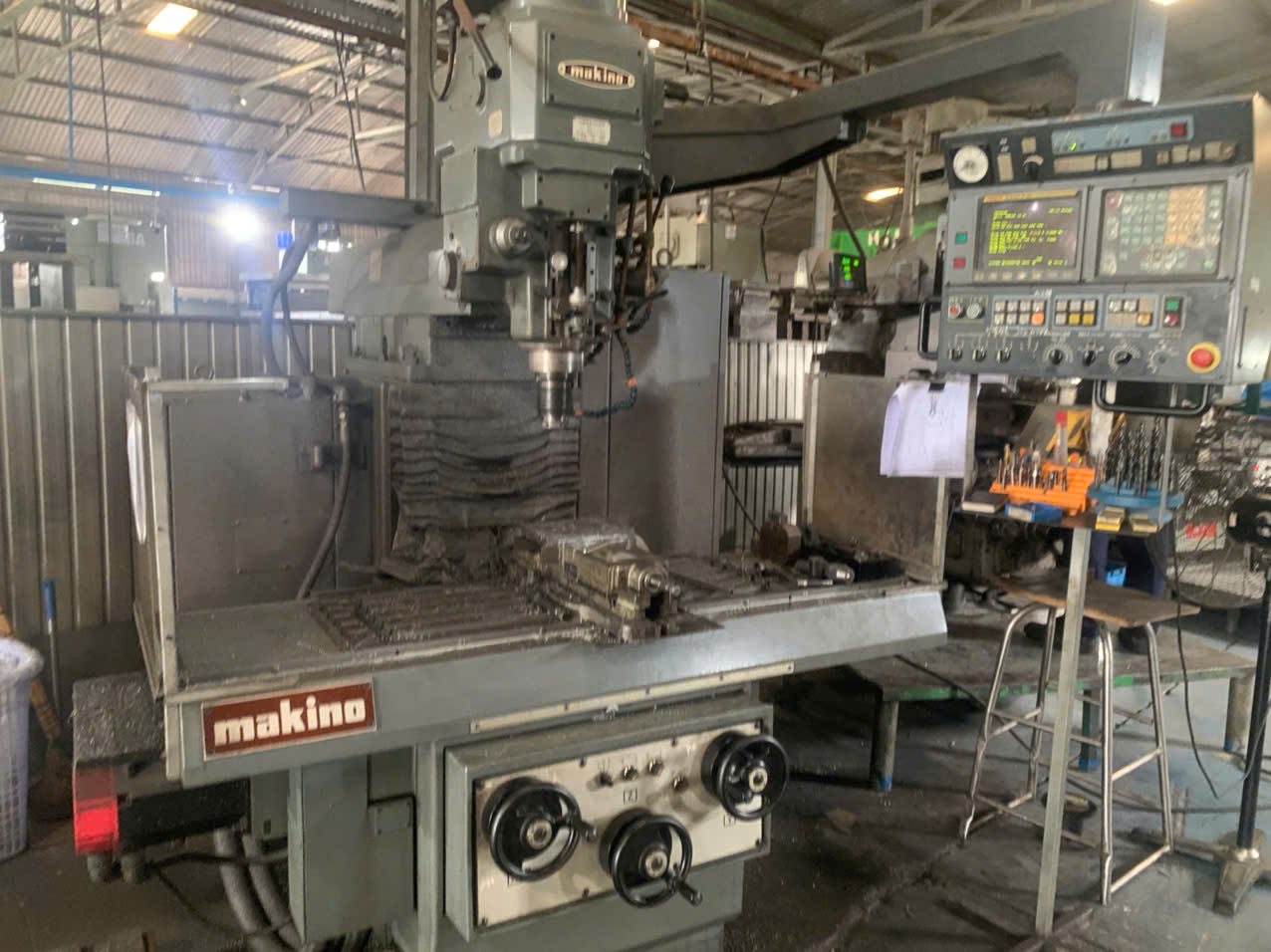
Stainless steel accounts for roughly 15% of all CNC machining work by revenue, but a disproportionate share of cost overruns and quality issues. The reason: stainless is unforgiving. Its work-hardening behavior punishes bad tool paths, its low thermal conductivity concentrates heat at the cutting edge, and grade selection mistakes can double your part cost with zero benefit.
This guide is written for procurement managers and mechanical engineers who specify stainless steel parts. We'll cover grade selection trade-offs with real cost data, DFM techniques that reduce machining time 20–40%, and a clear-eyed comparison of sourcing domestically vs. offshore.
Grade Selection: The Decision That Determines 60% of Your Cost
The wrong stainless grade is the most expensive mistake in CNC machining. Here's how to choose correctly:
SS304 — Default Choice for 70% of Applications
- Tensile strength: 515 MPa min | Hardness: HRB 92 max (annealed)
- Corrosion resistance: Excellent in freshwater, mild chemicals, food contact. Fails in chloride environments (>200 ppm Cl⁻)
- Machinability index: 45% relative to 1212 free-machining steel
- Cost baseline: This is your $1.00 reference — all other grades are multiples of 304 cost
- Use 304L for welded assemblies: The 0.03% carbon limit (vs. 0.08% in 304) prevents sensitization in heat-affected zones
SS316L — When You Actually Need Molybdenum
- Cost premium: 1.4–1.6× the material cost of 304, plus 15–25% higher machining cost
- When it's justified: Marine environments (salt spray), pharmaceutical processing (USP Class VI compliance), chemical contact with chlorides, sulfuric acid, or acetic acid
- When it's not: Indoor brackets, enclosures, non-chemical-contact housings. We see 304-to-316 over-specification on roughly 30% of RFQs — costing buyers 40–60% more than necessary
- Quick test: Will the part contact chlorides above 200 ppm, or live outdoors near saltwater? If no to both → 304 is fine
SS303 — The Volume Play
- Machinability index: 78% — machines 1.7× faster than 304
- The trade-off: Sulfur additions improve chip breaking but reduce corrosion resistance and make welding difficult
- Break-even point: At volumes >5,000 parts/year, the 40–50% faster cycle times typically save $0.50–3.00/part vs. 304, depending on complexity
- Ideal for: Screw machine products, fittings, bushings, pins, shafts — turned parts in particular
17-4 PH — When You Need Strength and Corrosion Resistance
- Strength: Up to 1,310 MPa tensile (H900 condition) — 2.5× stronger than 304
- Critical detail: Machine in Condition A (annealed), then heat treat. Machining H900 material is possible but costs 2–3× more in tool wear
- Material cost: 2.0–2.8× the cost of 304 bar stock
- Lead time factor: 17-4PH heat treatment (Condition H900: 1 hr at 480°C, air cool) adds 3–5 days. Factor this into your timeline
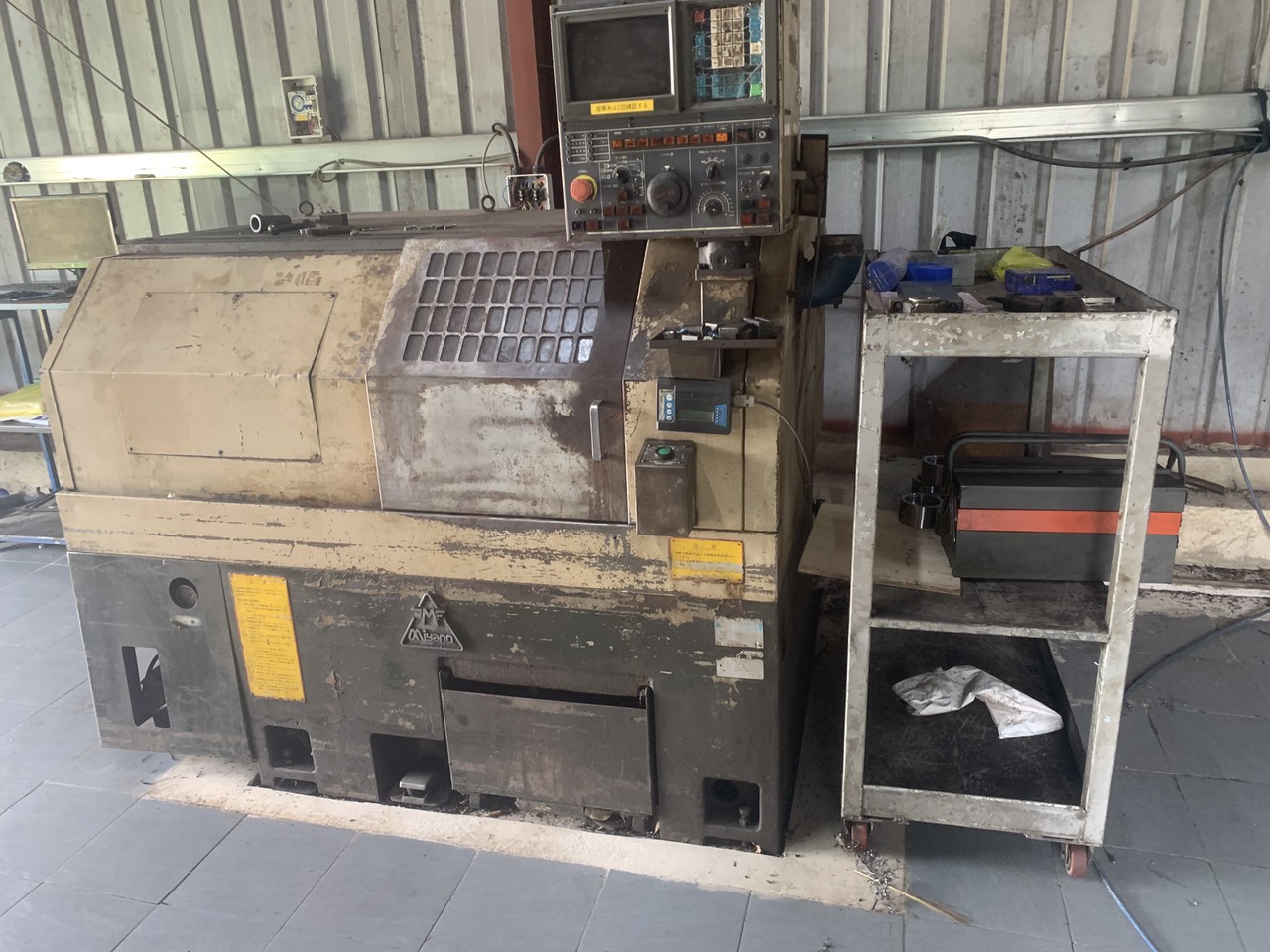
DFM Tips That Cut Stainless Steel Machining Cost 20–40%
Design for manufacturability is more impactful on stainless than almost any other material because cycle time = cost, and stainless cycle times are 2–3× longer than aluminum.
1. Use Standard Tool Sizes for Internal Radii
Internal corner radii should match standard endmill diameters. A 3mm internal radius uses a 6mm endmill (widely stocked). A 2.75mm radius requires a custom or hard-to-find 5.5mm endmill — adding cost and lead time.
Standard radii to use: R1.5, R2, R2.5, R3, R4, R5, R6, R8, R10mm
2. Avoid Deep Pockets (Depth > 4× Width)
Stainless steel's heat retention makes deep pockets especially problematic. A 10mm wide × 50mm deep pocket in SS304 requires specialized long-reach tooling, reduced speeds (50% of normal), and peck cycles — tripling the cycle time vs. a 10mm × 30mm pocket.
Rule of thumb: Keep pocket depth ≤ 3× the narrowest width. If deeper is required, consider wire EDM for that feature (often cheaper than very deep CNC pocketing in stainless).
3. Relax Tolerances Where Possible
Cost impact of tolerance tightening on stainless steel (per feature):
- ±0.1mm: Baseline (standard machining)
- ±0.05mm: +10–15% per feature
- ±0.025mm: +25–40% per feature (requires finishing pass + careful temperature control)
- ±0.01mm: +60–100% per feature (grinding or lapping often required)
On a part with 15 toleranced features, relaxing 10 of them from ±0.025mm to ±0.05mm can save 15–20% on the total part cost.
4. Consider SS303 for Turned Parts
If your part is primarily cylindrical (shaft, bushing, fitting) and doesn't need welding or maximum corrosion resistance, switching from 304 to 303 can reduce machining cost by 30–45% at volumes above 1,000 units. The material costs slightly more per kg, but the dramatically faster cutting speeds more than compensate.
5. Design for Minimal Setups
Each additional setup (re-fixture, re-datum) on stainless steel costs $15–40 in a US shop and $5–15 offshore. A part that machines in 2 setups instead of 4 saves $30–80/part domestically. Design parts with a flat reference surface and avoid features that require the part to be flipped more than once.
Cost Benchmarks: US Domestic vs. Offshore (2026)
Real pricing from our network for common stainless steel CNC parts:
SS304 Milled Bracket (80×60×25mm, 6 features, ±0.05mm)
- US shop: Qty 100: $42–65/pc | Qty 1,000: $24–38/pc
- Online platform (Xometry/Fictiv): Qty 100: $48–75/pc | Qty 1,000: $28–42/pc
- Dewin network: Qty 100: $15–28/pc | Qty 1,000: $8–16/pc
- Landed cost to US: Qty 1,000: $9.50–19/pc (incl. freight, duty, logistics)
SS316L Valve Body (5-axis, ±0.025mm, passivated)
- US shop: Qty 100: $120–185/pc | Qty 1,000: $70–110/pc
- Dewin network: Qty 100: $45–90/pc | Qty 1,000: $25–50/pc
- Savings: 50–65% at volume, even after shipping
When to Stay Domestic
- Prototypes (Qty 1–10): 2–5 day US turnaround beats 3–4 week offshore cycle
- ITAR-controlled parts: Must be manufactured domestically
- Emergency orders: When you need parts in <1 week
- Very high precision (±0.005mm): Few offshore shops can hold this consistently — vet carefully
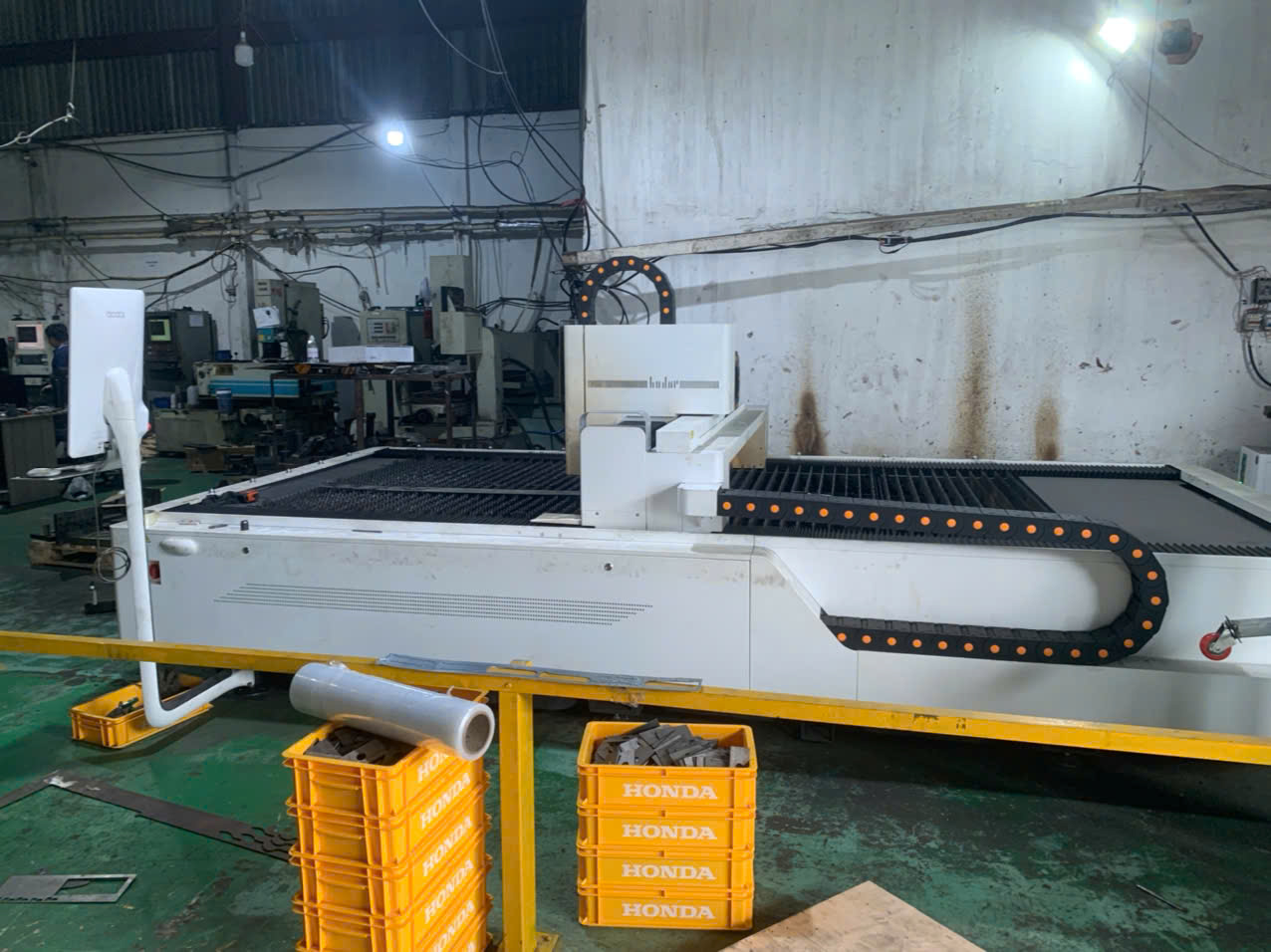
How to Evaluate a Stainless Steel CNC Supplier
Whether sourcing domestically or offshore, these are the questions that separate capable stainless steel shops from those that will cause problems:
- "What's your standard cutting speed for SS304 milling?" — Good answer: 120–180 m/min with coated carbide. Red flag: "same as mild steel" or no specific answer.
- "Do you have through-spindle coolant?" — Essential for stainless steel. Flood-only shops will struggle with deep features and tight tolerances.
- "How do you handle work-hardening on second operations?" — Competent answer: adjusted feeds/speeds, positive rake tooling, avoiding rubbing. Incompetent: "what do you mean?"
- "What tool coatings do you use for stainless?" — Good: TiAlN, AlCrN, nanocomposite coatings. Red flag: uncoated carbide or TiN-only (TiN is too soft for stainless).
- "Can you provide Cpk data for critical dimensions?" — Statistical process capability shows the shop can hold tolerances consistently, not just occasionally.
- "What's your scrap rate on SS316L parts?" — Good shops: 2–5%. Mediocre: 8–15%. This directly affects your pricing.
Surface Finish Specifications: What to Put on Your Drawing
- Ra 3.2µm (125µin): Standard as-machined. Visible tool marks. Functional parts, non-cosmetic.
- Ra 1.6µm (63µin): Light finishing pass. Slight tool marks. Most industrial applications.
- Ra 0.8µm (32µin): Fine machined. Smooth to touch. Sealing surfaces, fluid contact. +15–25% cost.
- Ra 0.4µm (16µin): Very fine. Near-polished appearance. Pharmaceutical equipment. +30–50% cost.
- Ra <0.1µm (4µin): Mirror polish. Manual polishing required. Optical/medical. +100–200% cost.
Pro tip: Specify surface finish per-face on your drawing. "All surfaces Ra 0.8µm" on a 6-sided part costs 3× more than "Ra 0.8µm on datum A and B, Ra 3.2µm elsewhere."
Post-Machining Treatments for Stainless Steel
- Passivation (ASTM A967): Removes free iron from surface. Standard for medical, food, and chemical applications. Citric acid method is becoming preferred over nitric acid (safer, equally effective). Cost: $0.50–1.50/part.
- Electropolishing: Electrochemical removal of 10–25µm surface material. Achieves Ra <0.4µm and superior corrosion resistance. Required for many pharmaceutical components per ASME BPE. Cost: $3–8/part.
- Black oxide: Aesthetic darkening for SS parts. Doesn't significantly improve corrosion resistance. Cost: $0.30–1.00/part.
- Stress relieving: 1–2 hrs at 400–450°C (below sensitization temperature). Recommended for tight-tolerance parts that may distort from residual machining stress. Cost: $1–3/part in batch ovens.
Get Stainless Steel Parts Quoted in 48 Hours
Upload your CAD files and get competitive quotes from our vetted manufacturing network. We match your stainless steel requirements to suppliers with proven capability in your specific grade and tolerance range.
Get an Instant Quote →