Heat Treatment for CNC Machined Parts: What to Specify, What It Costs, and How to Get It Right
March 3, 2026 · 17 min read
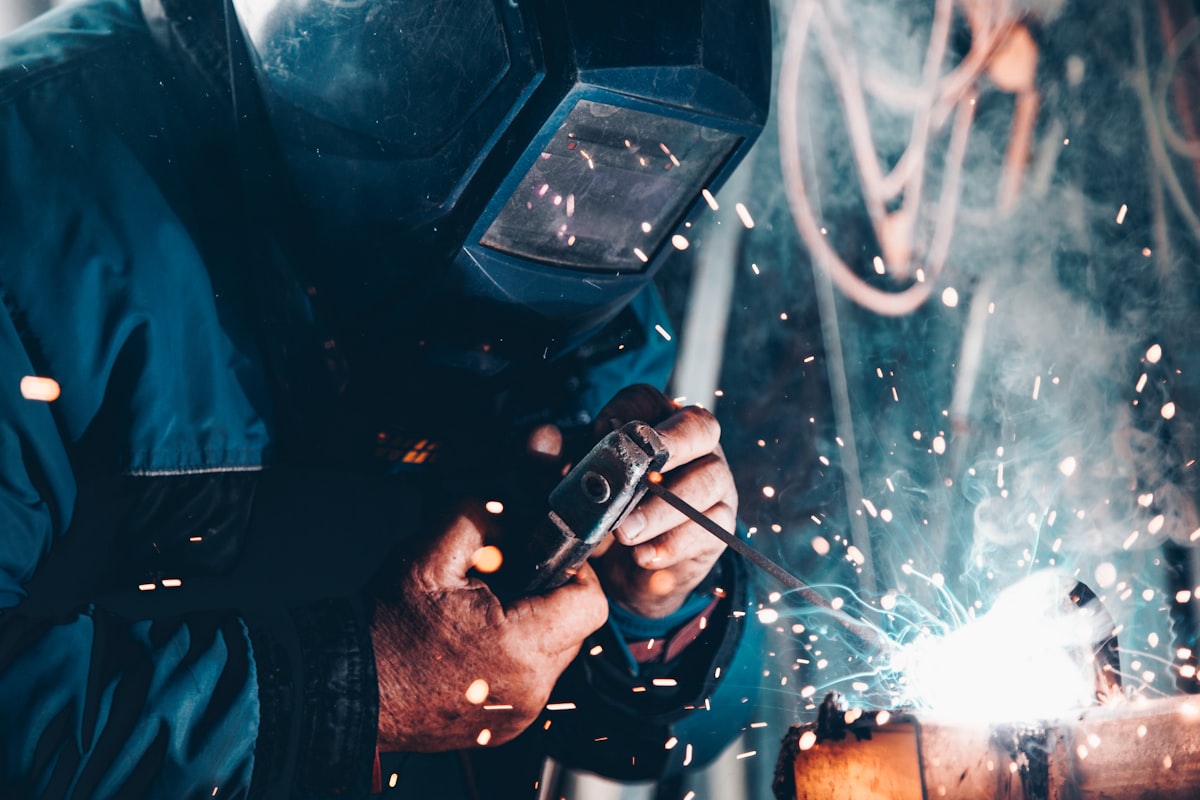
Heat treatment is the step that separates parts that work from parts that fail in the field. Yet it's the most frequently under-specified requirement on the RFQs we process — roughly 40% of steel part drawings either omit heat treatment callouts entirely or specify them ambiguously enough that the supplier has to guess.
The cost of getting it wrong: rejected parts, field failures, rework cycles that blow through your timeline. The cost of getting it right: typically $1–15/kg added to part cost, with the peace of mind that your parts will perform as designed.
This guide gives you everything needed to specify heat treatment correctly, choose the right process for your material and application, and avoid the cost traps that catch 30% of buyers.
The Six Heat Treatment Processes You'll Actually Use
1. Stress Relieving — Should Be on Every Precision Part
Machining introduces residual stresses that cause dimensional instability. For tight-tolerance parts (±0.025mm or tighter), stress relief isn't optional — it's insurance against warranty claims.
- Process: 550–650°C for steel, 200–300°C for aluminum. 1–2 hours hold per 25mm thickness. Furnace cool.
- Effect: Reduces residual stress by 80–90% without changing hardness or microstructure
- Cost: $0.50–2.00/part in batch lots (50+). Probably the highest ROI heat treatment per dollar.
- Specify when: Tolerances ≤±0.025mm, parts >200mm in any dimension, weldments, parts that will be further machined
- Pro tip: For aluminum, stress relief at 230°C for 2 hours reduces post-machining warpage from 0.05–0.15mm to under 0.01mm. On a $50 aluminum part, the $1.50 stress relief can prevent a complete remake.
2. Through Hardening (Quench & Temper) — The Workhorse
The most common heat treatment for structural steel parts. Transforms the microstructure from pearlite to martensite (hard, brittle), then tempers to achieve the right hardness-toughness balance.
- Materials that respond: Any steel with ≥0.25% carbon — 1040, 1045, 4140, 4340, tool steels
- Materials that DON'T: SS304, SS316 (austenitic), low-carbon steels (1018, 1020), aluminum
- Hardness ranges by grade:
- 1045: HRC 45–52 — good for shafts, pins, general structural parts
- 4140: HRC 28–54 — the most versatile; temper temperature controls final hardness
- 4340: HRC 30–58 — better hardenability for cross-sections >75mm diameter
- D2: HRC 58–62 — wear tooling, dies, cutting edges
- A2: HRC 57–62 — similar to D2 with better toughness, lower wear resistance
- Cost: $1.50–5.00/kg for standard alloy steels, $5–15/kg for tool steels requiring vacuum furnace
- Dimensional change: Plan for 0.05–0.15% growth. Always leave stock allowance for post-heat-treatment finish machining on precision surfaces.
3. Case Hardening (Carburizing) — Hard Outside, Tough Inside
Diffuses carbon into the surface of low-carbon steel at 900–950°C, creating a hard shell around a tough core. The go-to treatment for gears, shafts, pins, and any part that needs wear resistance without sacrificing impact toughness.
- Ideal materials: 8620 (most popular), 9310, 4320 — specifically designed with low core carbon for carburizing
- Surface hardness: HRC 58–62 (matches through-hardened tool steel at the surface)
- Core hardness: HRC 25–35 (absorbs impact and shock loading)
- Case depth guide:
- Pins, fasteners, light-duty: 0.3–0.5mm effective case depth
- Gears, shafts, medium-duty: 0.8–1.2mm
- Large gears, heavy bearings: 1.5–2.5mm
- Cost: $3–8/kg including quench and temper
- Critical RFQ detail: Always specify BOTH surface hardness AND effective case depth. "Case hardened" without numbers forces the supplier to guess — and they'll pick whatever's easiest for them, not best for you.
4. Nitriding — Hardness Without Distortion
The precision engineer's choice. Nitriding operates at 500–550°C — well below the austenitic transformation temperature — so parts don't distort. You can machine to final dimensions, then nitride, and get a hard surface without any grinding.
- Surface hardness: HV 900–1200 (equivalent to ~HRC 67–72 — harder than any conventional treatment)
- Best materials: Nitralloy 135M, 4140, 4340, H13 — alloys with Al, Cr, or Mo form hard nitrides
- Case depth: 0.2–0.5mm typical (thinner than carburizing — not for heavy impact loads)
- Cost: $8–20/kg — 2–5× more than carburizing. The premium pays for zero-distortion results and eliminates post-treatment machining.
- When to choose over carburizing: Complex geometries, tight-tolerance features, parts where post-HT grinding is impractical or cost-prohibitive
5. Induction Hardening — Selective and Fast
Heats only the area you need hardened using electromagnetic induction, then quenches. The unhardened areas remain soft and ductile. Cycle time is seconds, not hours.
- Best for: Shaft bearing journals, gear teeth, pin surfaces, rail contact faces
- Requirements: Steel with ≥0.35% carbon — 1045, 4140, 4340 are ideal candidates
- Cost: $1–4/part for standard round geometries. Custom induction coils for complex shapes add $500–2,000 NRE.
- Advantage: Can be done after final machining with minimal distortion in non-hardened areas. Perfect for large shafts where through-hardening would cause excessive distortion.
6. Aluminum T6 Aging — Don't Assume Your Material Arrived Treated
Aluminum uses precipitation hardening, not quench hardening. If your drawing says 6061-T6, verify the incoming material temper — not all stock arrives in T6 condition:
- T6 process for 6061: Solution treat at 530°C → water quench → age at 175°C for 8 hours
- T6 for 7075: Solution treat at 480°C → water quench → age at 120°C for 24 hours
- When you need post-machining HT: Casting alloys (A356), parts machined from annealed (-O) stock, parts that were welded (welding destroys T6 temper in the HAZ)
- Cost: $2–6/kg for batch processing
- Key spec: Always call out temper designation AND the governing spec on your drawing: "AL6061-T6 per AMS-QQ-A-250/11"
Material–Process Compatibility Chart
Save this. It answers the question "can I harden this material with that process?" before you submit your RFQ:
| Material | Through Harden | Case Harden | Nitride | Induction |
|---|---|---|---|---|
| 1018 / 1020 | ❌ Too low carbon | ✅ Ideal | ⚠️ Low response | ❌ Too low carbon |
| 1045 | ✅ HRC 50–55 | ⚠️ Possible | ⚠️ Moderate | ✅ Excellent |
| 4140 | ✅ HRC 28–54 | ⚠️ High core C | ✅ Good (Cr) | ✅ Excellent |
| 4340 | ✅ HRC 30–58 | ❌ Not recommended | ✅ Good | ✅ Excellent |
| 8620 | ⚠️ Low hardness | ✅ Designed for it | ⚠️ Moderate | ❌ Low carbon |
| D2 Tool Steel | ✅ HRC 58–62 | ❌ Already high C | ✅ Excellent | ❌ Air hardening |
| SS304 / 316 | ❌ Austenitic | ❌ N/A | ✅ Plasma only | ❌ Non-magnetic |
| 17-4 PH | ✅ Age hardening | ❌ N/A | ⚠️ Possible | ❌ Precipitation |
| AL6061 / 7075 | ❌ Use T6 aging | ❌ N/A | ❌ N/A | ❌ N/A |
Machining Sequence: The Decision That Saves 20–40%
Heat treatment cost is typically only 5–15% of total part cost. The bigger cost impact is the machining sequence you choose around the heat treatment:
Option A: Pre-Hardened Stock (HRC <35, Tolerances ≥±0.025mm)
Buy 4140 already at HRC 28–32. Machine to final dimensions in one operation. No heat treatment lead time, no distortion risk. Material costs 10–20% more, but you save $3–8/part in treatment and handling.
Option B: Rough → Heat Treat → Finish (HRC 40+, Tolerances ≤±0.025mm)
The standard approach for precision hardened parts. Rough machine with 0.3–0.5mm stock on critical surfaces, heat treat, then finish grind or hard-turn to final dimensions. Two setups cost more, but it's the only reliable way to hold tight tolerances on hardened steel.
Distortion allowances to plan for: Through hardening: 0.1–0.3mm. Case hardening: 0.05–0.15mm. Nitriding: <0.02mm.
Option C: Machine → Nitride (Complex Parts, HV 900+)
Machine to final dimensions, then nitride. Virtually zero distortion means no post-treatment machining. The nitriding itself costs 2–5× more per kg than carburizing, but eliminating the finish machining operation often makes total cost lower for complex parts.
How to Specify Heat Treatment in Your RFQ
A clear heat treatment spec prevents the back-and-forth that delays your quote by days. Include these six items:
- Material + starting condition: "4140 annealed" vs. "4140 pre-hardened HRC 28–32" changes the quote by 20–40%
- Target hardness range: "HRC 58–62" not "HRC 60." Tighter ranges (±1 HRC) cost more due to process control requirements.
- Surface vs. core (case hardening): "Surface HRC 58–62, Core HRC 25–35, Effective case depth 0.8–1.2mm per ASTM E384"
- Governing standard: AMS 2759 (aerospace), ASTM A255 (hardenability), or your company spec
- Masking requirements: "Threads to remain unhardened" — costs $2–5/part but prevents cracked threads
- Testing and reporting: "Rockwell C hardness, 3 locations per part, test certs included." No spec = no verification.
Five Specification Mistakes That Cost Real Money
- "Heat treat to print" (with no callout on print): Supplier skips it. Parts fail in service. $50,000 problem.
- Wrong material + hardness combo: "SS304, HRC 40" is physically impossible by conventional means. The supplier will either reject the RFQ or try nitriding — not what you wanted.
- Tight tolerance + high hardness + one machining operation: If you need ±0.01mm AND HRC 55, you MUST plan for two machining passes around the heat treatment.
- No decarburization limit on critical surfaces: Without specifying "max decarb 0.1mm/side," you may get parts with a soft surface skin.
- Over-specification: A non-structural bracket doesn't need HRC 55. Harder = more brittle, more expensive, longer lead time. Match spec to function.
Cost Impact: Heat Treatment as a Percentage of Part Cost
For most machined parts, heat treatment adds 5–15% to total part cost. But getting it wrong can add 100% (scrapped lot + remake). Here's what to budget:
- Stress relief: $0.50–2.00/part — always worth it for precision work
- Quench & temper: $1.50–5.00/kg — standard for structural steel parts
- Carburizing: $3–8/kg — gears, shafts, and wear components
- Nitriding: $8–20/kg — premium for zero-distortion precision parts
- Vacuum hardening: $5–15/kg — required for tool steels to prevent decarburization
- Induction: $1–4/part — selective hardening, fast turnaround
Offshore sourcing amplifies the savings: Vietnam heat treatment costs run 40–65% below US commercial rates due to energy and labor cost differences. On a part that needs both machining and heat treatment, the combined savings can reach 55–70% vs. domestic sourcing.
Action Items for Your Next RFQ
- Review every steel part drawing for heat treatment callouts. Missing = risk.
- Use the compatibility chart above to verify your material-process combination before quoting.
- Plan the machining sequence before requesting quotes — include rough/finish operations in your RFQ scope.
- Specify hardness with ranges, case depths, and testing requirements. Ambiguity costs money.
- Consider offshore sourcing for heat-treated parts — the cost advantage compounds when machining and treatment are at the same facility.
Get Heat-Treated Parts Quoted in 48 Hours
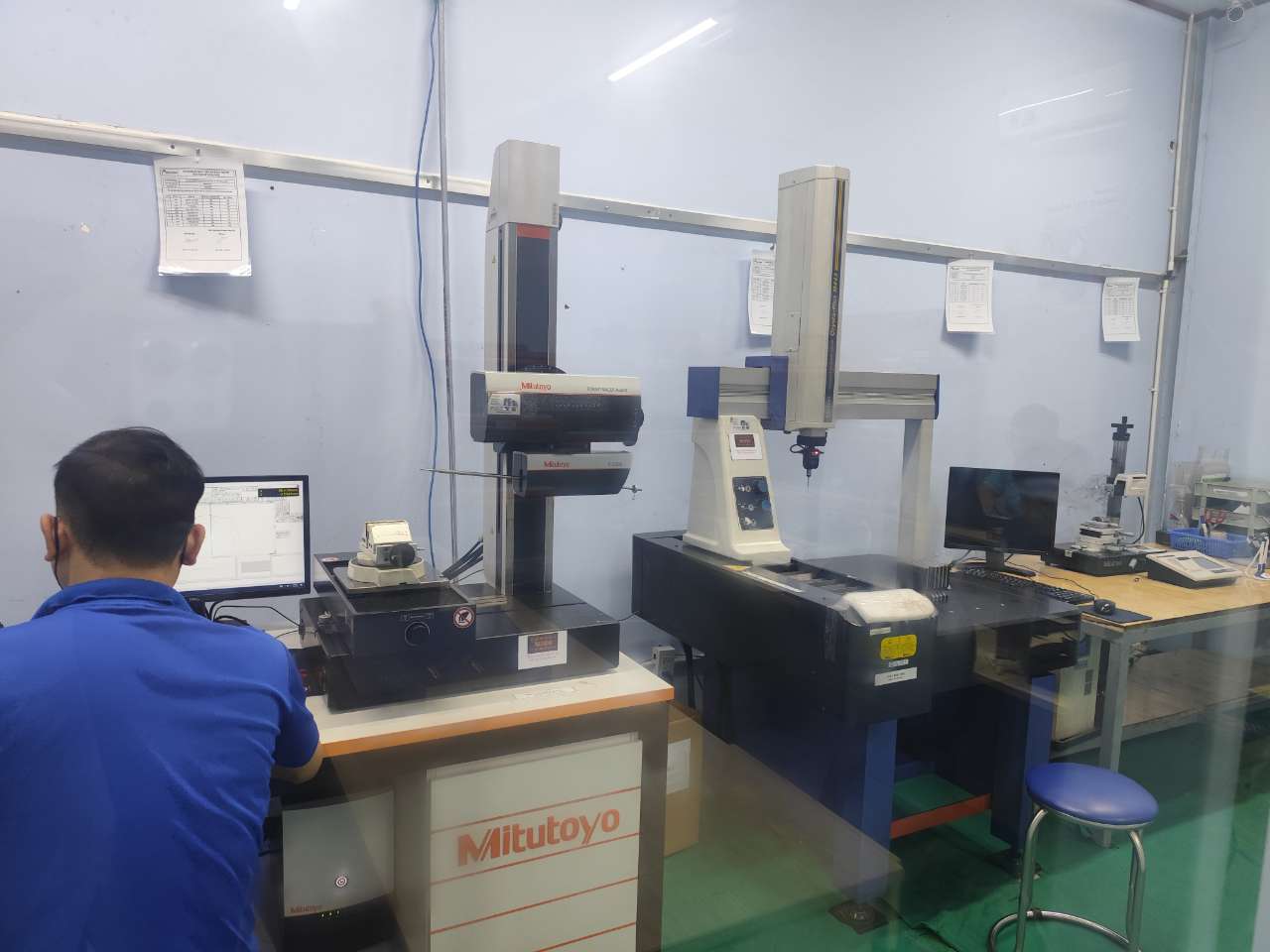
Upload your drawings with heat treatment specifications and get competitive quotes from our vetted manufacturing network. We match your requirements to suppliers with verified furnace capability, calibration records, and heat treatment testing equipment.
Get an Instant Quote →