Low Volume Manufacturing: How to Get Small Batch Parts at Scale Pricing
March 7, 2026 · 16 min read
You need 200 custom brackets. Or 500 injection molded housings. Or 1,000 die cast connectors. Every domestic shop quotes you prices that only make sense at 10,000+. Online platforms like Xometry give you instant quotes, but the per-part cost at low volumes is eye-watering. And Chinese suppliers tell you their MOQ is 5,000 pieces — take it or leave it.
This is the low-volume trap, and it kills more product launches than bad designs do. Here's how to escape it.
Why Low Volume Manufacturing Is So Expensive (And How to Fix It)
Manufacturing costs are dominated by two things: setup costs (tooling, programming, fixtures) and per-piece costs (material, machine time, labor). At high volumes, setup costs get spread across thousands of parts. At low volumes, they crush you.
The math is simple but brutal:
- Injection mold tooling: $8,000–25,000 for a single-cavity mold. At 10,000 parts, that's $0.80–2.50/part in tooling amortization. At 500 parts? That's $16–50/part — before material or molding costs
- Die casting tooling: $15,000–50,000 for a steel die. At 500 parts, you're paying $30–100/part just for the die
- CNC programming: $200–800 per setup. At 50 parts, that's $4–16/part overhead
- Sheet metal tooling: Progressive dies cost $5,000–30,000. At low volume, laser cutting + brake forming is cheaper even though per-part cost is higher
The fix isn't finding a cheaper supplier. It's choosing the right process for your volume — and finding a manufacturing partner whose economics work at your scale.
Process Selection by Volume: The Decision Matrix
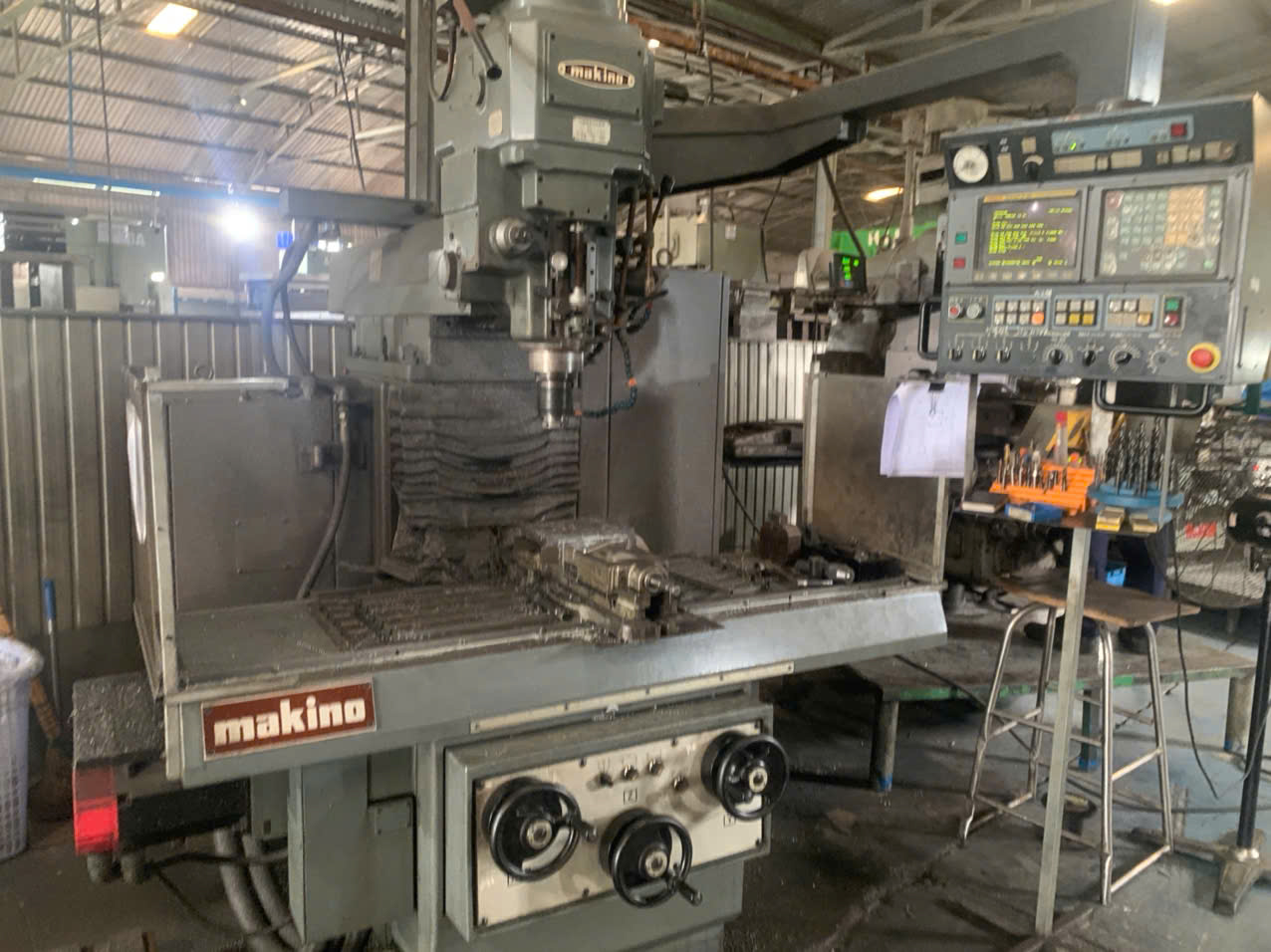
CNC Machining: The Low-Volume King (1–5,000 parts)
CNC machining has the lowest setup cost of any precision manufacturing process. No hard tooling. Program once, cut immediately. This makes it the default choice for low volumes.
- Sweet spot: 1–5,000 parts
- Setup cost: $100–500 (programming + fixture)
- Per-part cost at 100 qty (simple aluminum bracket): $8–18 US domestic vs. $3–7 Vietnam
- Per-part cost at 1,000 qty: $5–12 US vs. $2–5 Vietnam
- Tariff advantage: 0% duty on Vietnam imports vs. 25–145% on China (Section 301 + additional tariffs)
- Lead time: 2–3 weeks production + 3–4 weeks sea freight from Vietnam
Pro tip: At quantities under 50, domestic CNC often wins because shipping time and cost eat the labor savings. Above 50 parts, offshore Vietnam sourcing starts making financial sense. Above 200, it's almost always cheaper.
Sheet Metal Fabrication: Laser Cut + Bend (10–5,000 parts)
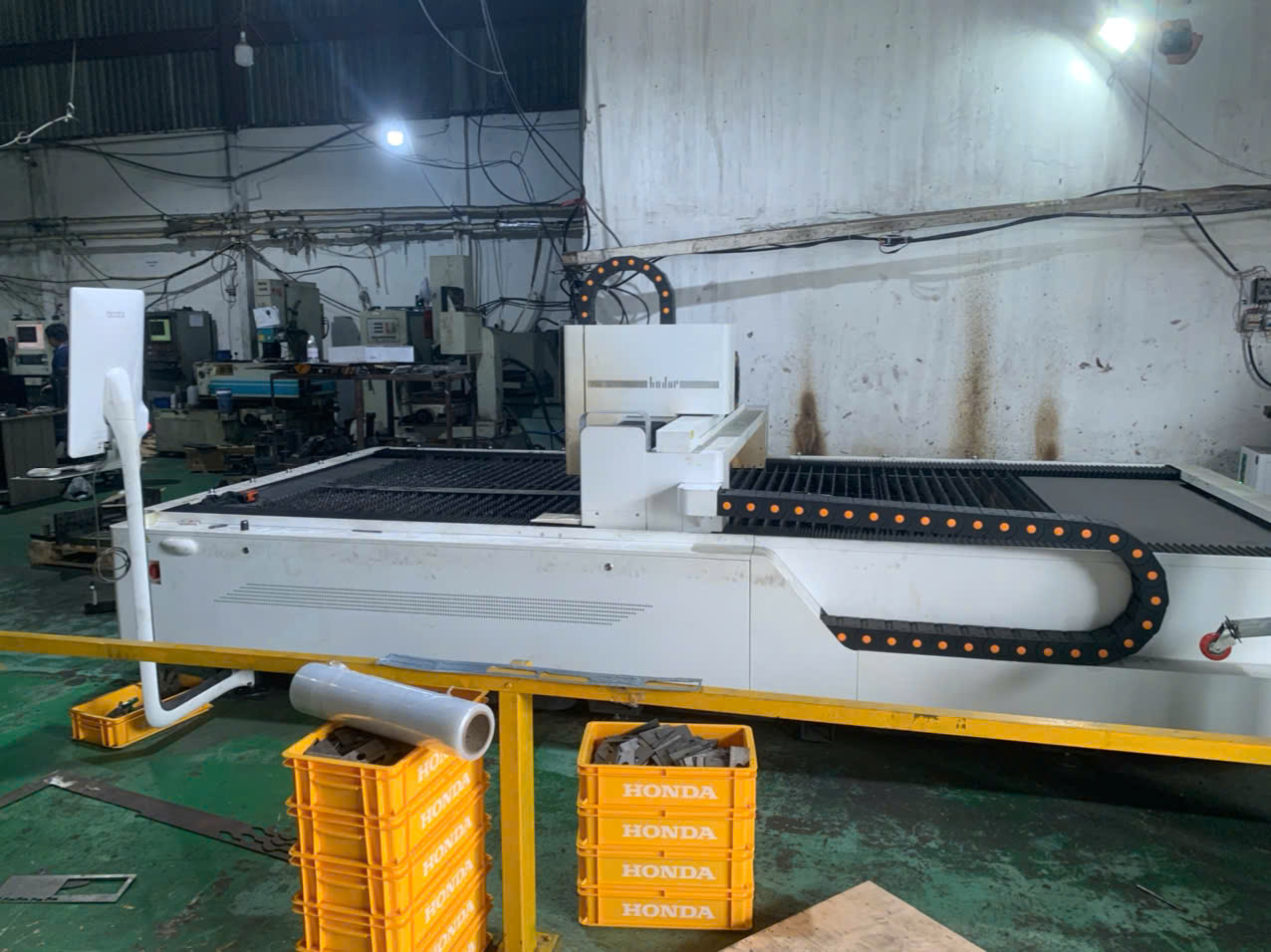
For sheet metal parts at low volume, skip the progressive die. Laser cutting + CNC brake forming gives you the same parts with near-zero tooling cost.
- Sweet spot: 10–3,000 parts (above 3,000, consider progressive die)
- Setup cost: $50–200 (nesting program + brake setup)
- Per-part cost (simple bracket, 2mm steel, 3 bends): $4–10 US vs. $1.50–4.00 Vietnam
- Including powder coating: Add $0.50–2.00/part in Vietnam vs. $3–8 US
- Breakeven vs. progressive die: ~3,000–5,000 parts depending on complexity
Injection Molding: Low-Volume Strategies
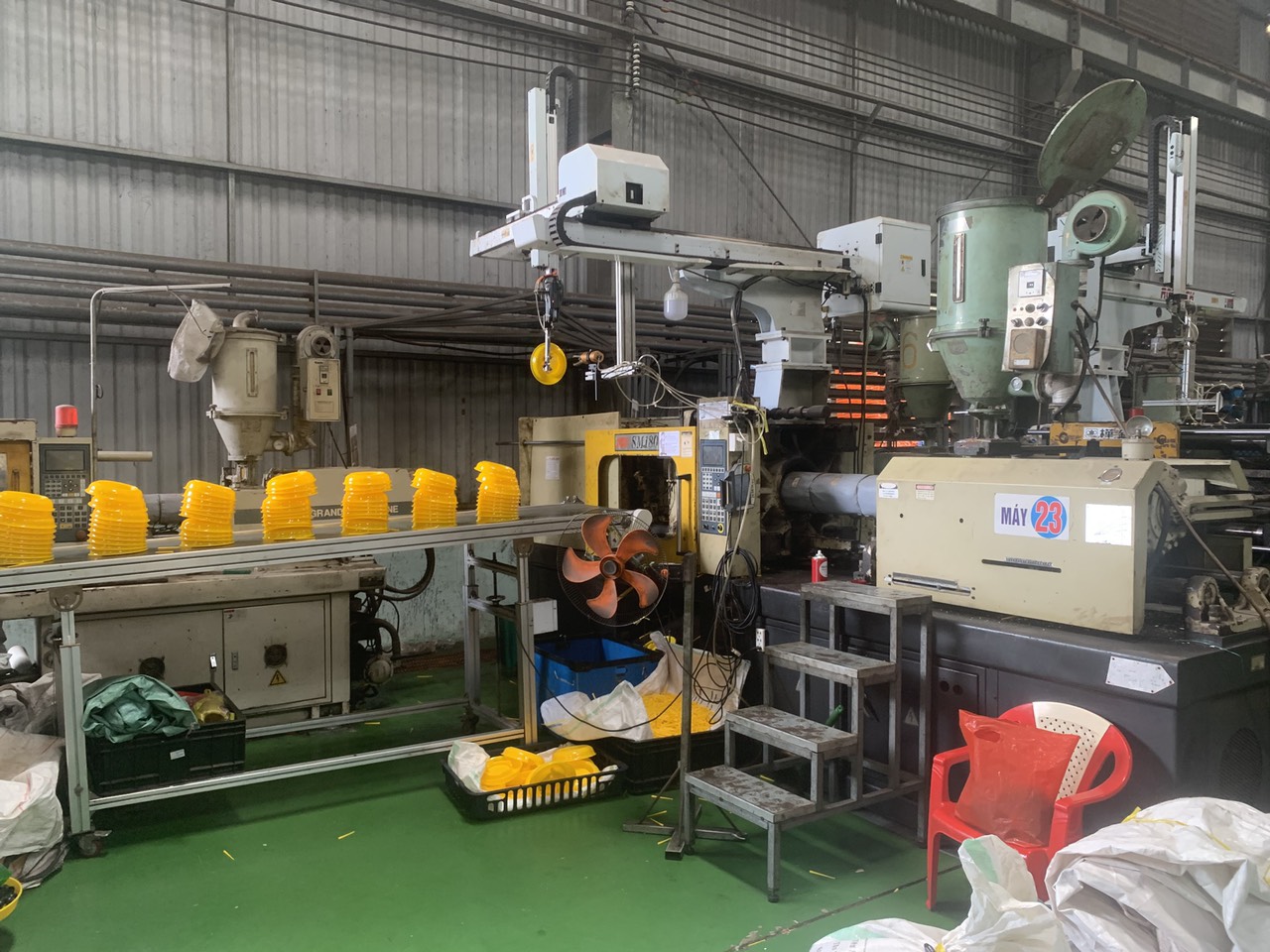
Injection molding at low volume is where most buyers get burned. The mold costs the same whether you run 500 or 500,000 parts. But there are ways to make it work:
- Aluminum rapid tooling (500–10,000 part life): $1,500–6,000 in Vietnam vs. $4,000–15,000 US. 40–60% tooling savings
- Single-cavity mold (vs. multi-cavity): 50–70% cheaper tooling, slower cycle time doesn't matter at low volumes
- MUD base / insert mold system: Universal base + swappable inserts. Saves 30–50% per mold when you have multiple parts
- Per-part cost at 500 qty (simple ABS housing): $2.50–6.00 US (steel tool amortized) vs. $0.80–2.00 Vietnam (aluminum tool)
The Vietnam advantage: Because tooling labor in Vietnam costs 60–70% less than US/Europe, you can afford a steel mold at volumes where a US shop would only quote aluminum. A single-cavity P20 steel mold for a simple part runs $3,000–8,000 in Vietnam — less than aluminum rapid tooling in the US.
Die Casting: When Low Volume Makes Sense
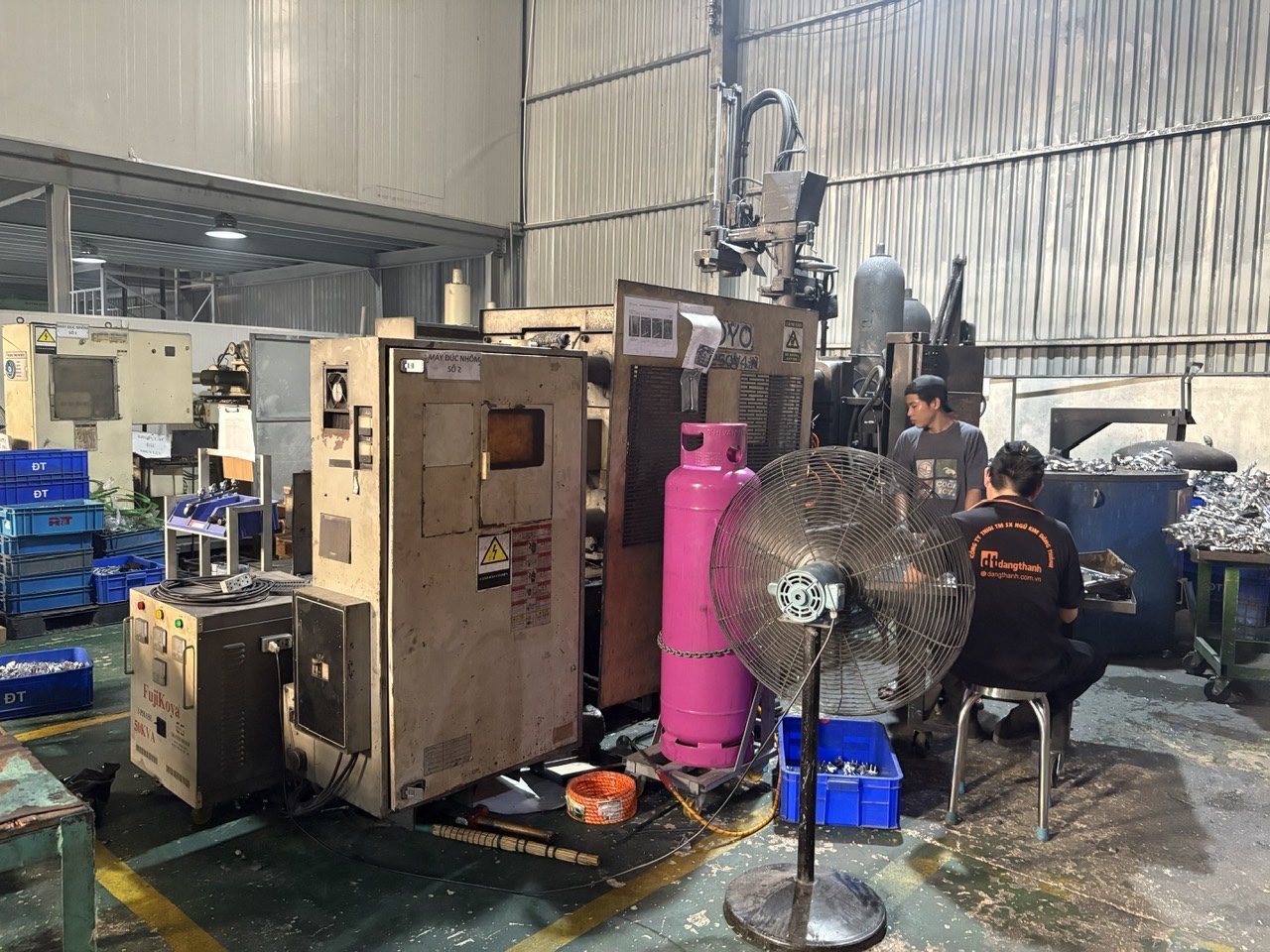
Traditional high-pressure die casting requires expensive H13 steel dies — $15,000–50,000+. At low volumes, consider these alternatives:
- Gravity die casting (100–5,000 parts): Tooling $2,000–8,000 in Vietnam. Best for aluminum parts where surface finish and porosity requirements are moderate
- Sand casting (50–2,000 parts): Pattern cost $500–3,000. Ideal for large/heavy parts or iron alloys
- Investment casting (100–5,000 parts): Wax tooling $1,000–5,000. Best for complex geometries in steel/stainless
- Low-volume HPDC: If you absolutely need high-pressure die cast properties, Vietnam shops will run as few as 500 parts. A simple zinc die runs $5,000–12,000 in Vietnam vs. $15,000–30,000 US
Real Cost Comparison: 500-Part Production Run
Let's look at a real scenario: a custom aluminum electronics enclosure — 150mm × 100mm × 40mm, 6061-T6 aluminum, 4 threaded bosses, 2 cable cutouts, bead-blasted + clear anodized.
500-Unit Cost Comparison (2026)
- US domestic CNC shop $22–35/part → $11,000–17,500 total
- Xometry / Fictiv (instant quote) $28–45/part → $14,000–22,500 total
- China + 25% Section 301 tariff $12–18/part landed → $6,000–9,000 total
- Vietnam (0% tariff) via Dewin $7–12/part landed → $3,500–6,000 total
Landed cost includes: parts, surface finishing, packaging, sea freight, customs brokerage. Excludes duties (0% for Vietnam, 25%+ for China).
That's $5,500–11,500 in savings on a single 500-part run vs. US domestic. Over a year with quarterly production runs, you're looking at $22,000–46,000 in savings — on one part number.
The MOQ Myth: Why Vietnam Factories Accept Low Volumes
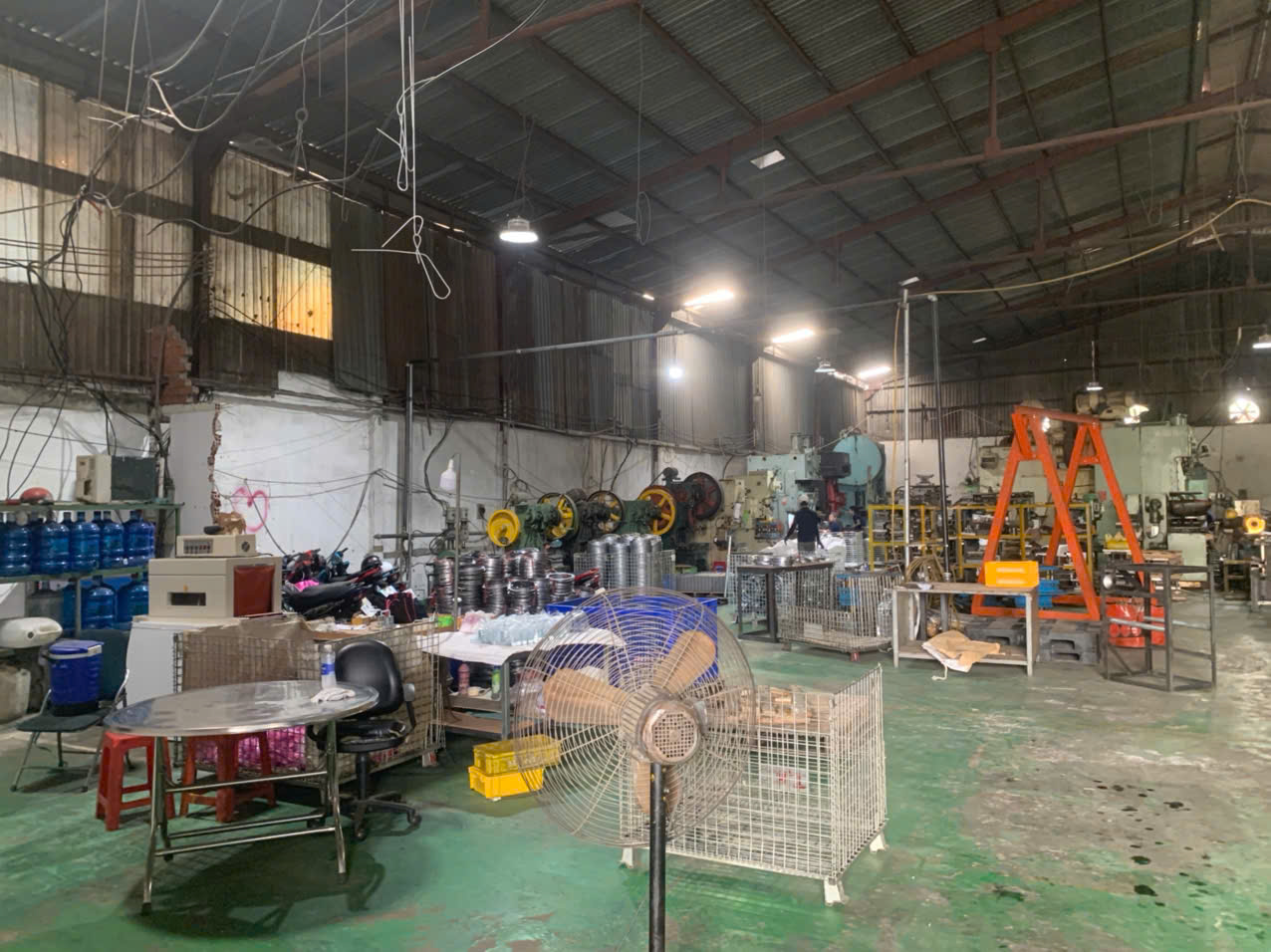
Chinese factories famously demand high MOQs — 5,000–10,000 pieces for injection molding, 2,000+ for die casting. This is a business model choice, not a technical limitation. Their margins are razor-thin, so they need volume to justify the setup.
Vietnam is different. Many Vietnamese manufacturers are smaller, more flexible operations that built their businesses on serving Japanese, Korean, and European OEMs with medium-volume, high-mix orders. They're accustomed to:
- CNC machining runs as small as 50 parts
- Injection molding runs of 500–2,000 parts
- Sheet metal batches of 100–1,000 parts
- Die casting orders of 500–3,000 parts
- Mixed orders combining multiple part numbers in one shipment
The economics work because Vietnam's labor cost is 30–50% lower than China's coastal manufacturing hubs (Shenzhen, Dongguan, Suzhou). A Vietnam factory running 500 parts at $5/part makes the same margin as a Chinese factory running 2,000 parts at $4/part.
5 Strategies to Reduce Low-Volume Part Cost
1. Bundle Part Numbers
Instead of ordering 200 of Part A this month and 300 of Part B next month, consolidate into one order. Most offshore suppliers offer 10–20% discounts when you combine multiple part numbers into a single production order and shipment. The factory keeps their machines running longer, and you split the shipping cost across more parts.
2. Use Blanket Orders with Scheduled Releases
Commit to an annual volume (say 2,000 parts) but take delivery in quarterly batches of 500. The supplier prices the tooling and setup against the total volume but ships in increments. You get volume pricing without the inventory carrying cost.
3. Design for the Right Process
A part designed for injection molding that you need in quantities of 300 will always be expensive. Redesign it for CNC machining and the per-part cost at 300 units drops dramatically — even if the "theoretical" per-part cost at 100,000 units would be higher with CNC.
Common process swaps for low volume:
- Injection molding → CNC machining (under 500 parts)
- Progressive die stamping → laser cut + bend (under 3,000 parts)
- High-pressure die casting → gravity casting or CNC from billet (under 1,000 parts)
- Multi-cavity mold → single-cavity mold (under 5,000 parts/year)
4. Stock Raw Material at the Factory
For repeat orders, ask your Vietnam supplier to buy material in bulk and store it. Aluminum bar stock, steel plate, and plastic resin are cheaper in larger quantities. A factory that buys 2 tons of 6061-T6 bar for your annual needs gets 15–25% better material pricing than buying 500 kg per quarter.
5. Accept Standard Tolerances Where Possible
Every tolerance tighter than ±0.05mm adds cost — inspection time, slower feeds, more rejects. At low volumes, the per-part impact of tight tolerances is even higher because there are fewer parts to absorb the setup cost of precision tooling. Specify critical dimensions clearly and leave everything else at standard machining tolerance (±0.1mm for CNC, ±0.2mm for sheet metal bends).
Tariff Impact: Why Vietnam Is the Clear Winner for US Buyers
The tariff math on low-volume orders is devastating for China sourcing and overwhelmingly favorable for Vietnam:
- China Section 301 tariff (most manufactured goods) 25–145%
- Vietnam tariff (most manufactured goods) 0–3.5%
- Impact on a $5,000 order from China (25% tariff) +$1,250 in duties
- Impact on a $3,500 order from Vietnam (0% tariff) $0 in duties
On a $5,000 China order with 25% tariffs, you pay $6,250 landed. The same parts from Vietnam cost $3,500 landed. That's a 44% total cost reduction — combining lower factory prices with zero tariffs.
Quality at Low Volumes: What to Expect
One concern buyers have with low-volume offshore manufacturing is quality consistency. Fair concern. Here's the reality:
- CNC machining quality is process-dependent, not volume-dependent. A CNC machine doesn't care if it's cutting 50 parts or 5,000. The tolerance comes from the machine, program, and tooling — not the batch size
- First Article Inspection (FAI) is critical. At any volume, insist on a full dimensional inspection report (FAI per AS9102 or equivalent) on the first 3–5 parts before production release
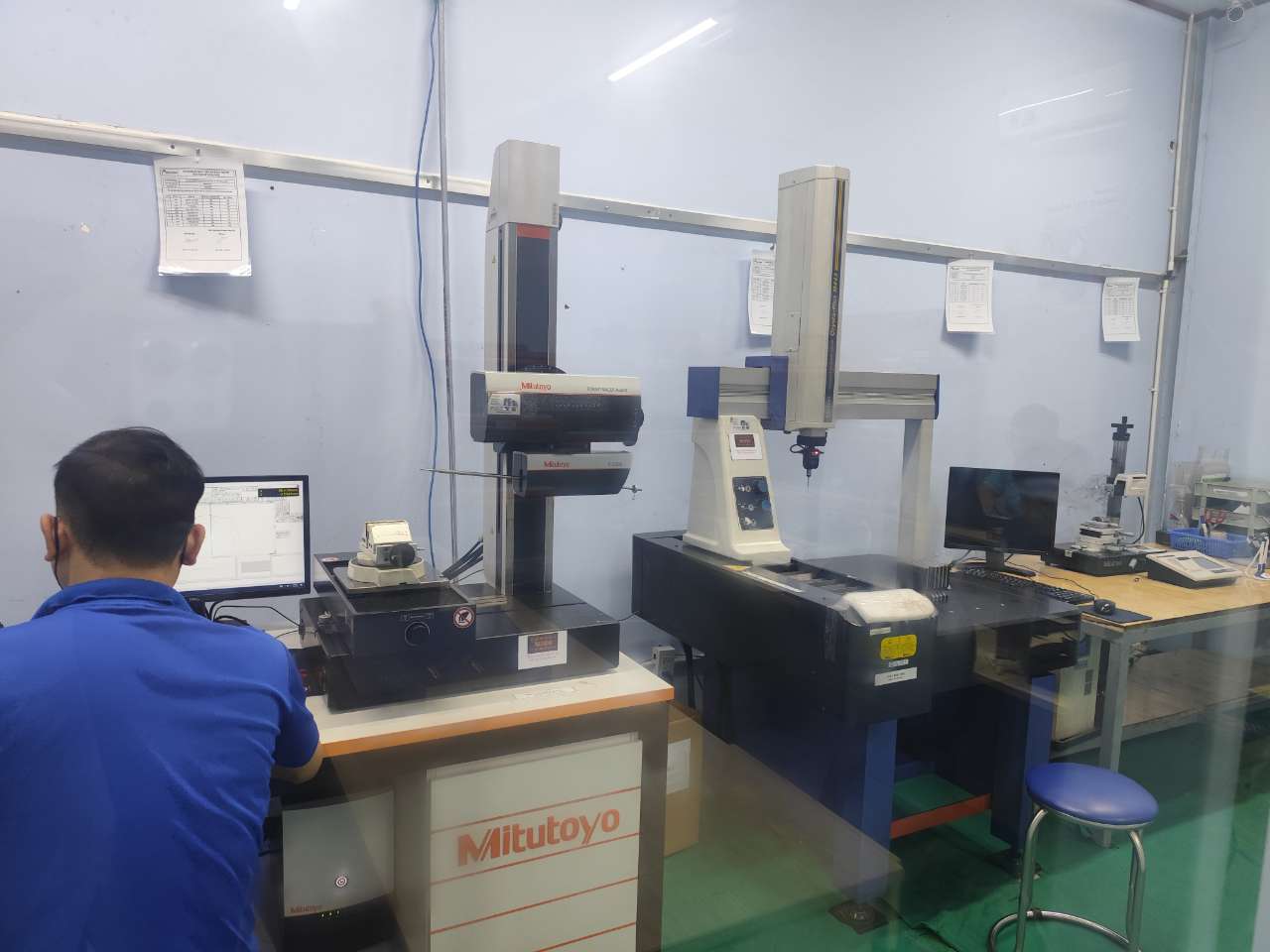
- In-process inspection every 50–100 parts. For CNC runs, request CMM checks at regular intervals. Our Vietnam partners do this as standard practice
- 100% final inspection on critical dimensions. At low volumes, 100% inspection is feasible and expected. This is actually an advantage of small batches — every part gets checked
How to Get Started: Your Low-Volume RFQ Checklist
Include in Your RFQ:
- ☐ 3D model (STEP or IGES preferred) + 2D drawing with GD&T
- ☐ Material specification (alloy grade, not just "aluminum")
- ☐ Quantity: initial order + estimated annual volume
- ☐ Surface finish requirements (Ra value or visual standard)
- ☐ Critical dimensions called out on drawing
- ☐ Post-processing: anodizing, powder coating, plating, heat treatment
- ☐ Packaging requirements (bulk, individual bags, custom packaging)
- ☐ Delivery destination (city/state for freight quoting)
- ☐ Target price (if you have one — helps the factory optimize)
- ☐ Certification needs: ISO 9001, material certs, RoHS/REACH
Why Dewin for Low-Volume Manufacturing
We built Dewin specifically for the buyers that big platforms ignore: the ones who need 50–5,000 precision parts, manufactured to spec, with real factory accountability.
- 179+ audited Vietnam factories — we've physically inspected every shop, documented their equipment, and verified their quality systems. You see the actual factory photos, not stock images
- No MOQ minimums — our factories work with quantities as low as 50 parts for CNC and 500 for molding
- 0% tariff advantage — all Vietnam-manufactured parts enter the US tariff-free under current trade agreements
- On-ground quality team — our auditors visit factories during production runs, not just for initial qualification
- Consolidated shipping — combine multiple part numbers from different factories into one shipment to reduce logistics costs
Get a Quote for Your Low-Volume Parts
Send us your drawings and quantities. We'll match you with the right factory and give you an all-in landed cost within 48 hours — no MOQ surprises.
Request a Quote →