Waterjet vs Laser Cutting: Cost, Capabilities & Sourcing Guide
March 5, 2026 · 12 min read
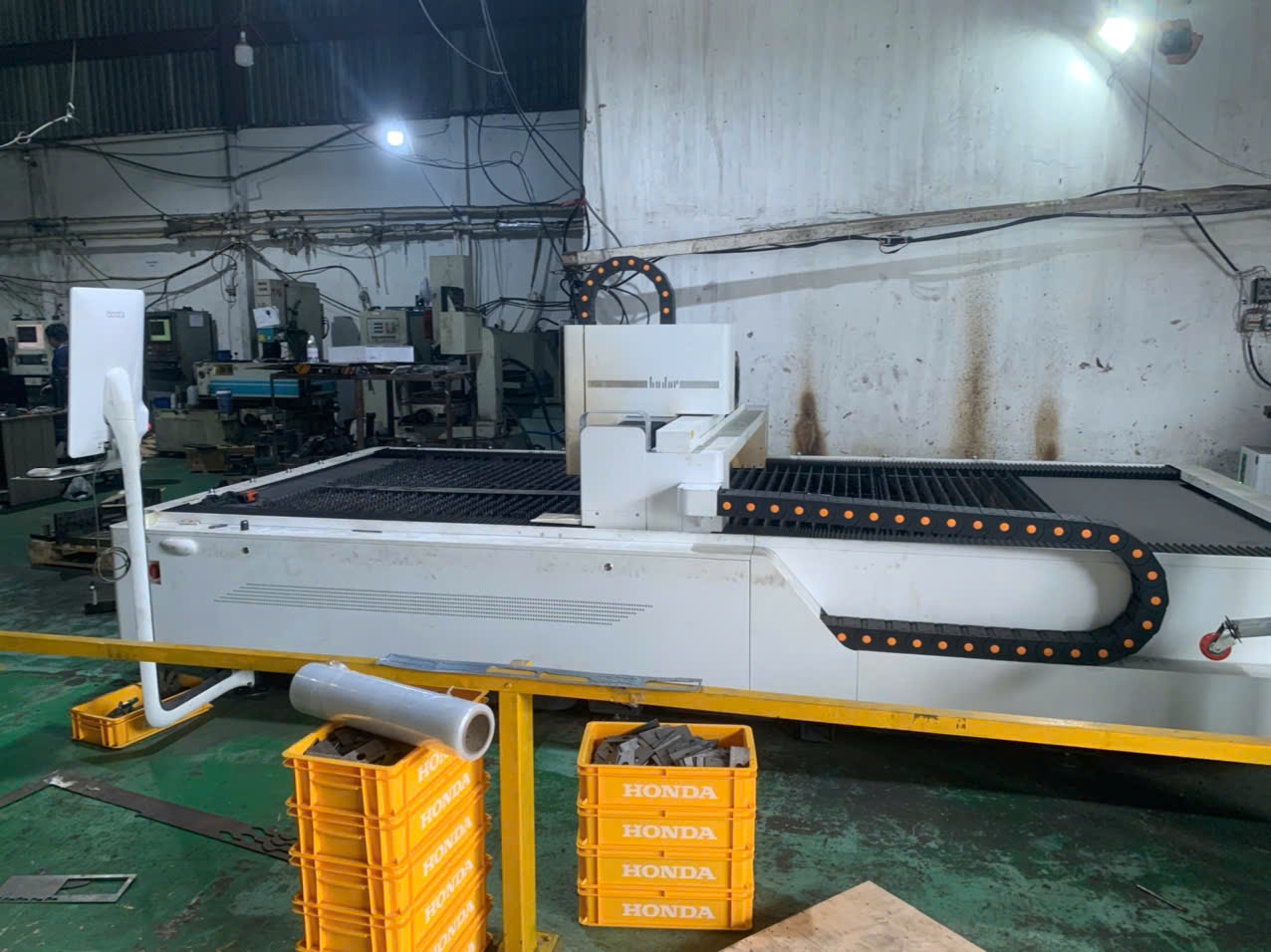
Waterjet and laser cutting are the two dominant flat-stock cutting processes for custom metal parts. Choosing the right one for each component in your BOM can save 20–50% on cutting costs while hitting the right quality level. This guide covers when to specify each, with real cost data from offshore suppliers and tariff considerations for US importers.
How They Work
Fiber Laser Cutting
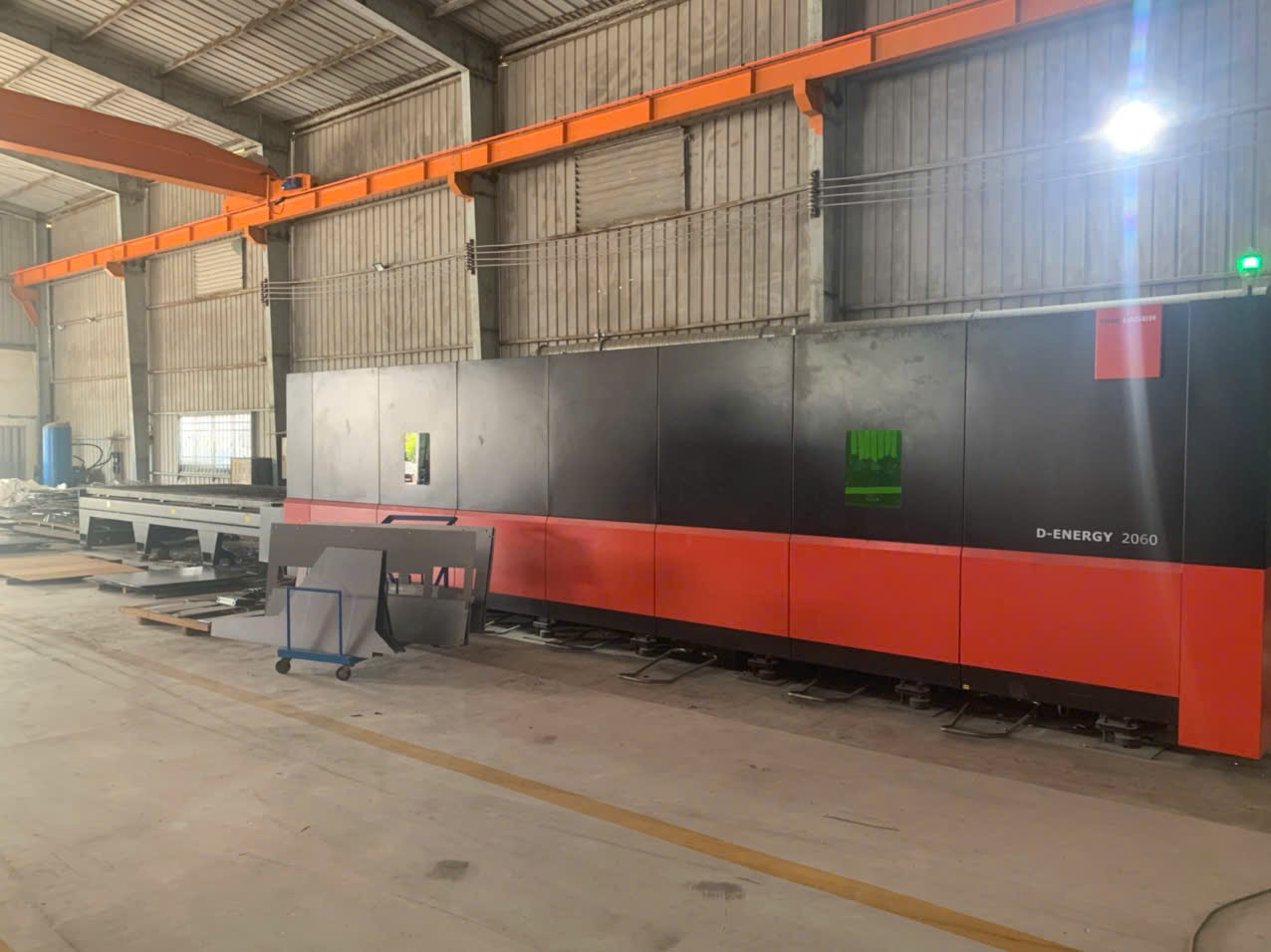
A focused 1.06μm wavelength beam (4–15kW) melts/vaporizes material along a CNC path. Assist gas (N₂ for stainless, O₂ for carbon steel) clears the kerf. Speed: up to 30 m/min on 1mm steel. Kerf: 0.1–0.3mm. Accuracy: ±0.05mm. Creates a heat-affected zone (HAZ) of 0.1–0.5mm.
Abrasive Waterjet
Water at 40,000–90,000 PSI through a 0.1–0.35mm orifice, mixed with 80-mesh garnet abrasive. The supersonic stream erodes material cold — zero HAZ. Kerf: 0.5–1.2mm. Accuracy: ±0.05–0.13mm. Cuts virtually any material at any thickness up to 200mm+.
Head-to-Head Comparison
Cost Per Part: Real Numbers
Machine-Hour Rates
Part Cost Examples (offshore, 100-piece lots)
- 3mm SS304 bracket, 150×100mm: Laser $1.80–2.50 (45s cut) vs waterjet $4.50–6.00 (3.5 min). Laser wins — thin stainless, no HAZ concern for brackets.
- 12mm AL6061-T6 plate, 200×150mm: Laser $5.00–7.00 vs waterjet $8.00–11.00. Laser faster, but waterjet preserves T6 temper near edges — specify waterjet if heat-treated properties are critical.
- 25mm mild steel base plate, 300×200mm: Laser $12–16 vs waterjet $14–18. Nearly equal, but waterjet has more consistent edge quality at this thickness.
- 50mm A36 flange, ∅300mm: Laser can't cut. Waterjet only: $35–50/pc.
- 6mm Ti-6Al-4V plate, 100×80mm: Waterjet only: $12–16. Laser cutting titanium risks alpha-case and micro-cracking. AMS 2694 mandates cold-process cutting.
When to Specify Laser
- Thin sheet metal (<12mm): 5–10× faster than waterjet. Speed dominance = cost dominance at production volumes.
- High precision on thin stock: 0.1–0.3mm kerf enables 3–5% better material nesting vs waterjet's wider kerf.
- Small features: Holes down to 0.5× material thickness. 1.5mm hole in 3mm steel? Easy.
- High volume (>500 pcs): Speed advantage compounds. 10K brackets cost 50–65% less via laser than waterjet.
- Carbon steel: O₂-assisted cutting at up to 10 m/min on 3mm stock.
When to Specify Waterjet
- Thick materials (>20mm): Waterjet cuts 200mm+ steel. Laser tops out at ~25mm.
- Heat-sensitive materials: Hardened tool steel, heat-treated aluminum, titanium, spring steel. Zero HAZ preserves material properties.
- Composites and non-metals: CFRP, G10/FR4, Kevlar, glass, ceramic. Laser can't handle these without delamination or toxic fumes.
- Stack cutting: Cut 10 stacked sheets of 1mm aluminum simultaneously.
- No deburring needed: Waterjet edges are typically smooth enough to skip deburring — save $0.10–0.50/part.
- Reflective metals: Copper, brass, bronze reflect fiber laser wavelength, causing erratic cuts. Waterjet handles all metals equally.
Material Decision Matrix
Tariff Impact: Offshore vs China
- China exposure: Cut steel/aluminum articles face Section 301 (7.5–25%) + Section 232 (steel 25%, aluminum 10%) tariffs. A $10 bracket from China costs $13.50–16.00 landed.
- Vietnam alternative: Standard MFN rates of 0–3.4%. Same $10 bracket lands at $10.00–10.34.
- Savings at scale: 10,000 pieces/year at $10/part = $35,000–56,600 in annual tariff savings by sourcing from Vietnam instead of China.
RFQ Checklist for Cut Parts
- 2D cut file: DXF or DWG with all holes, slots, cutouts.
- Material grade + thickness: "SS304 2B, 3.0mm ±0.15mm" — not just "stainless."
- Edge quality: Standard (Ra 3.2–6.3μm), precision (Ra 1.6μm, N₂ assist), or waterjet Q5 (smooth, 60% speed reduction).
- Flatness tolerance: If critical — laser-cut thin sheets can bow 0.5–2mm on >500mm spans.
- Critical dimensions: ±0.05mm only where needed. Standard ±0.1mm covers most applications.
- Quantities at 3 levels: 50, 500, 5,000 to see the cost curve (15–25% drop from 50→500 pcs).
- Secondary ops: Bending, welding, tapping, countersinking, finishing. Bundling saves 10–20% on handling.
Hybrid Strategy: Use Both
Smart buyers don't lock into one process for a full BOM. Split by material and function:
- Brackets and panels (2–6mm steel/aluminum): Laser. Fast, cheap, tight tolerances.
- Thick structural plates (20mm+): Waterjet. Only viable option.
- Heat-sensitive components: Waterjet. Preserve temper/hardness.
- Multi-material assemblies: Laser for steel parts, waterjet for titanium/composites. One supplier, two processes, one PO.
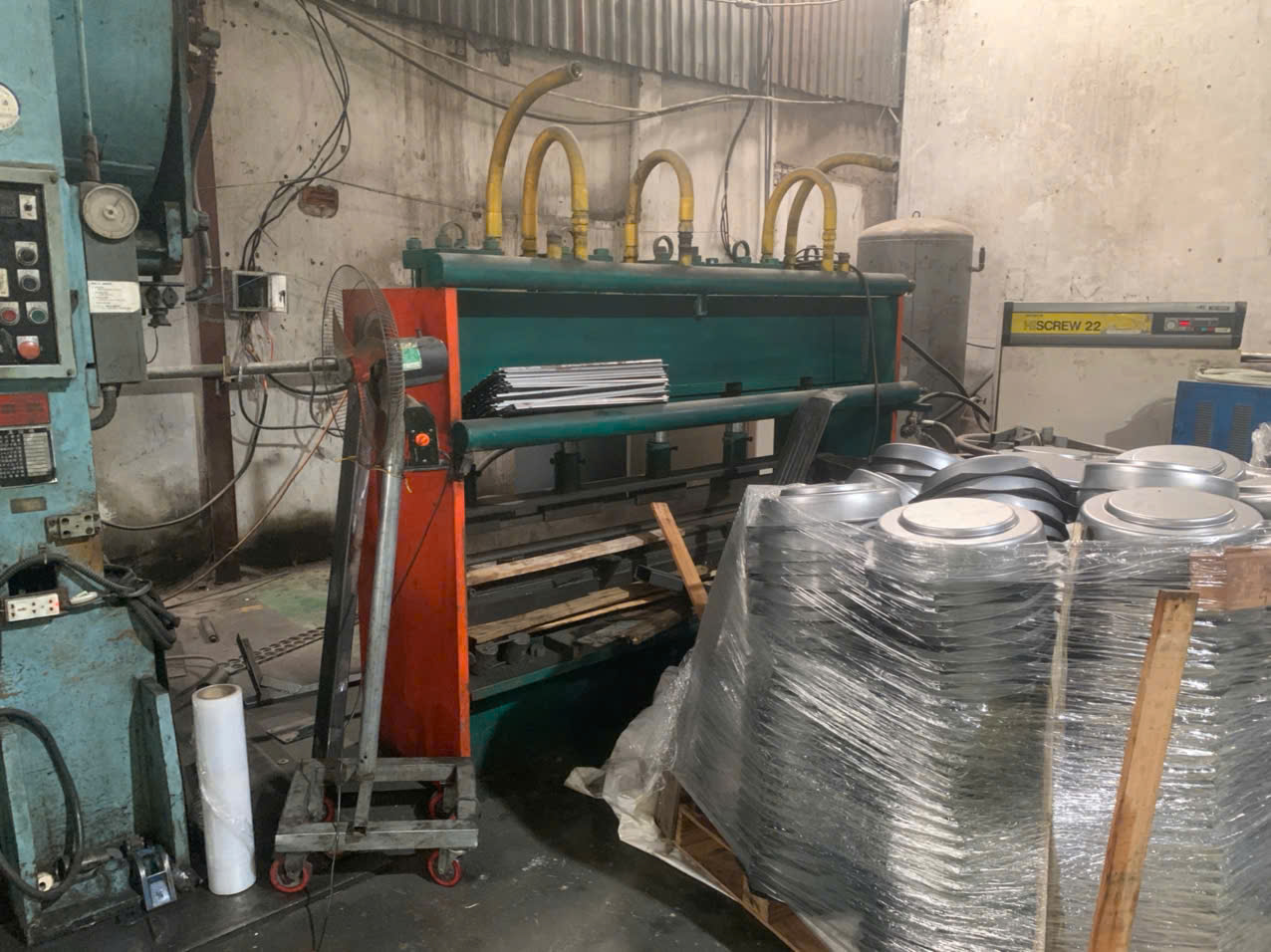
Suppliers with both laser and waterjet route jobs internally — combined quotes typically save 5–10% on logistics and QC overhead vs splitting across two vendors.
Need Laser or Waterjet Cut Parts?
Dewin works with certified cutting shops — fiber laser and abrasive waterjet, with full dimensional inspection. Request a quote →