Zinc Die Casting Sourcing Guide: How US Buyers Save 35–50% with Vietnam (2026)
March 11, 2026 · 15 min read
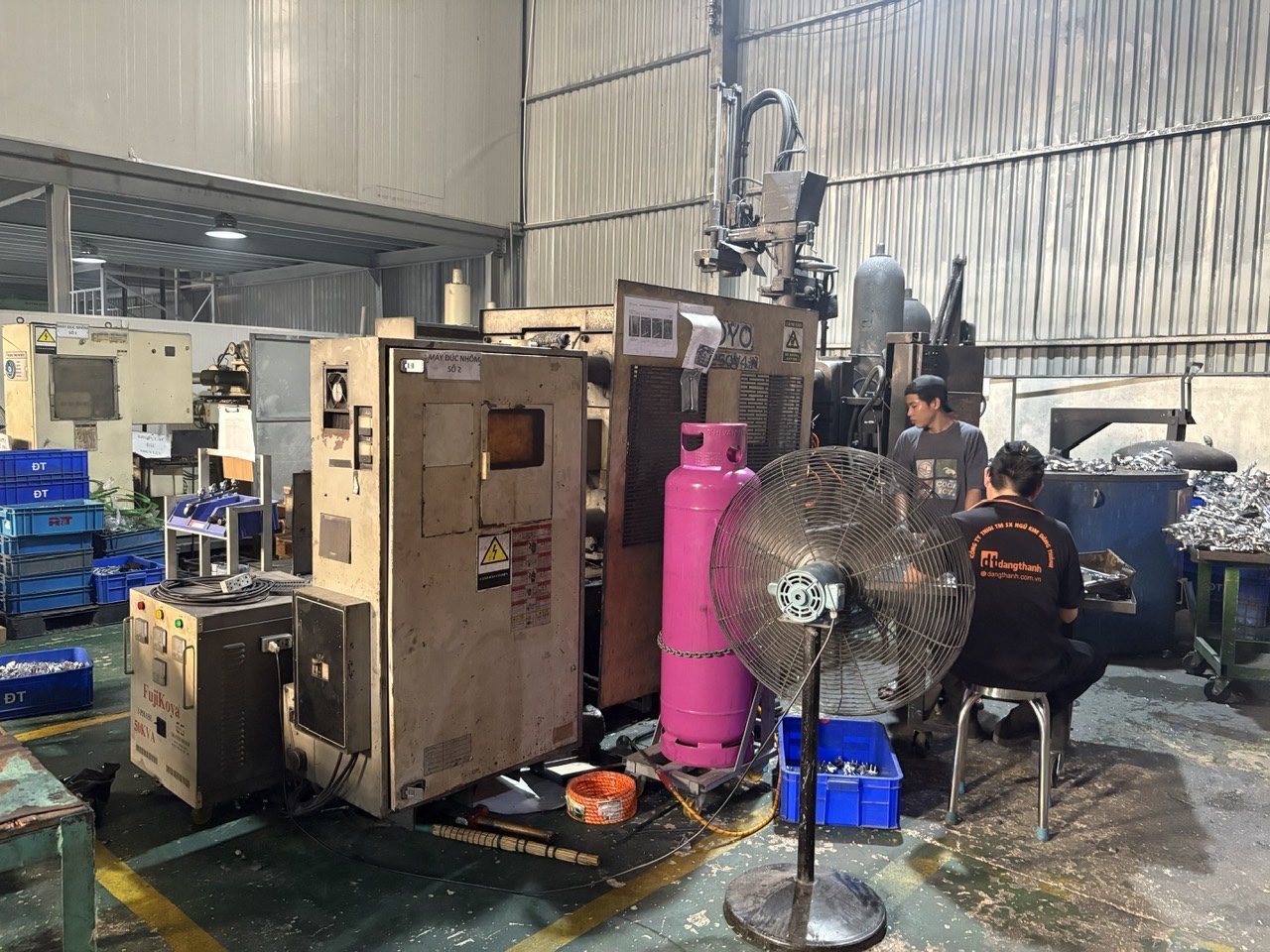
Zinc die casting is the fastest metal casting process in production today. Hot chamber machines cycle every 15–30 seconds — 3–5× faster than aluminum cold chamber dies — producing parts with tighter tolerances, thinner walls, and better surface finishes right out of the mold. For US companies making electronics enclosures, automotive interior components, hardware, locks, connectors, or consumer products, zinc die casting is often the lowest cost-per-part option at volumes above 5,000 pieces.
But here's the problem: if you're still sourcing zinc castings from China, you're paying a 25% Section 301 tariff on top of the FOB price. That tariff turns a $0.80 part into $1.00 landed — before freight and duties. At 500,000 parts per year, that's $100,000 in unnecessary cost.
Vietnam's zinc die casting industry has matured rapidly. Factories running 125–800 ton hot chamber machines from LK, Toshiba, and Frech now produce parts that meet ASTM B86 and EN 12844 specifications — at costs 35–50% below US domestic and 0% tariff into the US.
Why Zinc? The Engineering Case
Zinc alloys (Zamak family) offer a combination of properties that aluminum and magnesium can't match at the same cost point:
- Thinnest castable walls: Zinc can be cast to 0.4 mm wall thickness — aluminum requires 1.0 mm minimum. This means lighter parts, less material, and more design freedom.
- Tighter as-cast tolerances: ±0.025 mm is achievable on zinc. Aluminum die casting typically holds ±0.1 mm. This eliminates secondary machining on many features.
- Superior surface finish: Zinc yields Ra 0.8–1.6 μm as-cast — smooth enough for direct chrome plating or painting without polishing.
- Longer die life: Zinc's low melting point (385–390°C vs 660°C for aluminum) means dies last 500,000–1,000,000+ shots. Aluminum dies typically last 80,000–150,000 shots.
- Fastest cycle time: Hot chamber zinc casting cycles in 15–30 seconds. Aluminum cold chamber needs 45–90 seconds. That's 2–4× the output per machine hour.
- Excellent plating adhesion: Zinc accepts copper-nickel-chrome, tin, gold, and other platings better than any other die cast alloy — critical for decorative hardware and electronics.
Zamak Alloy Selection: Which Grade for Your Part?
"Zamak" stands for Zink-Aluminium-Magnesium-Kupfer (German for the alloy components). The four common grades each have a sweet spot:
| Alloy | ASTM | Tensile Strength | Best For |
|---|---|---|---|
| Zamak 3 (AG40A) | ASTM B86 Alloy 3 | 283 MPa | General purpose — 70% of all zinc castings. Balanced strength, castability, and cost. |
| Zamak 5 (AC41A) | ASTM B86 Alloy 5 | 331 MPa | Higher strength/hardness. Automotive components, structural brackets. 1% copper addition. |
| Zamak 2 (AC43A) | ASTM B86 Alloy 2 | 359 MPa | Highest strength zinc alloy. Bearings, bushings, wear surfaces. 3% copper. |
| ZA-8 | ASTM B86 Alloy ZA-8 | 374 MPa | Hot chamber castable, higher aluminum content. Strength-critical applications. |
Our recommendation for most US buyers: Start with Zamak 3 unless you have a specific engineering reason to go higher. It's the most available alloy globally, the easiest to cast with fewest defects, and costs 8–12% less than Zamak 5 due to the copper content difference.
Hot Chamber vs Cold Chamber: Process Economics
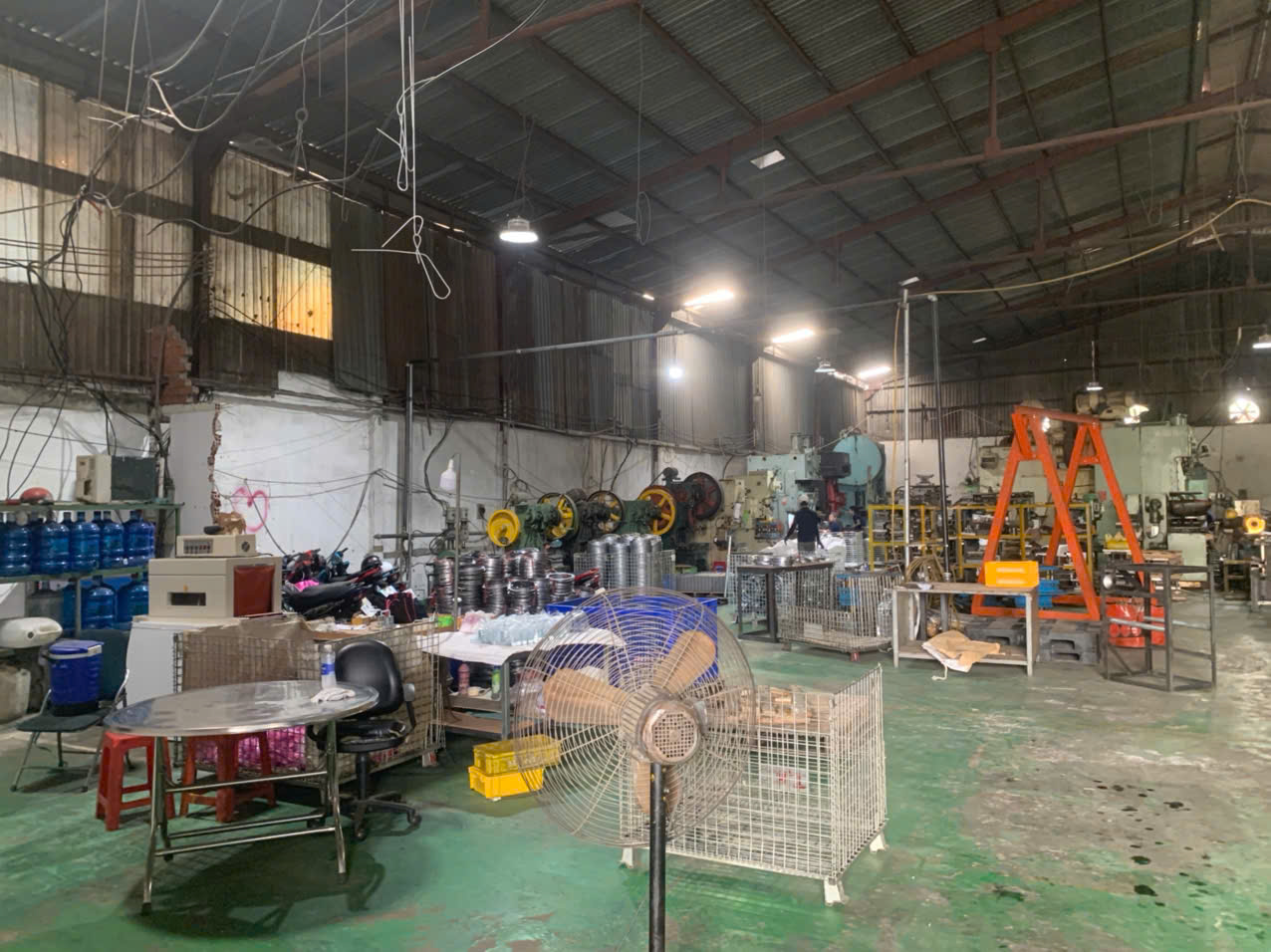
Zinc's key advantage is that it runs in hot chamber machines — the injection mechanism sits submerged in the molten metal, allowing automatic cycling without manual ladling. This is why zinc casting is so much faster and cheaper per part than aluminum.
| Factor | Hot Chamber (Zinc) | Cold Chamber (Aluminum) |
|---|---|---|
| Cycle time | 15–30 sec | 45–90 sec |
| Minimum wall thickness | 0.4 mm | 1.0 mm |
| Die life | 500K–1M+ shots | 80K–150K shots |
| As-cast tolerance | ±0.025 mm | ±0.1 mm |
| Surface finish (Ra) | 0.8–1.6 μm | 1.6–3.2 μm |
| Machine hour rate (Vietnam) | $18–28/hr | $25–45/hr |
The math is clear: for parts under 1 kg that don't require aluminum's strength-to-weight ratio, zinc in a hot chamber machine produces parts at 40–60% of the per-piece cost of aluminum die casting.
Cost Breakdown: US vs China vs Vietnam
Here's what a typical zinc die cast part costs across sourcing regions — a 150g electronics enclosure in Zamak 3, 4-slide die, 100,000 annual volume:
| Cost Element | US Domestic | China + 25% Tariff | Vietnam (0% Tariff) |
|---|---|---|---|
| Tooling (4-slide die) | $18,000–25,000 | $5,000–8,000 | $6,000–10,000 |
| Per-part (FOB/ex-works) | $1.20–1.60 | $0.45–0.65 | $0.50–0.72 |
| Import tariff | — | +25% ($0.11–0.16) | 0% |
| Ocean freight (per part) | — | $0.03–0.05 | $0.03–0.06 |
| Landed cost per part | $1.20–1.60 | $0.59–0.86 | $0.53–0.78 |
| Annual cost (100K pcs) | $120,000–160,000 | $59,000–86,000 | $53,000–78,000 |
Bottom line: Vietnam zinc die casting delivers 35–50% savings vs US domestic and 10–15% savings vs China after the 25% tariff. At 100,000 parts/year, that's $42,000–82,000 in annual savings compared to domestic sourcing.
Parts That Are Ideal for Zinc Die Casting
- Electronics enclosures & EMI shields — Zinc's excellent shielding effectiveness (60–90 dB) makes it the go-to for RF-sensitive housings. Thin walls save weight.
- Lock & security hardware — Deadbolt housings, cylinder bodies, padlock cases. Zamak 2's wear resistance is critical here.
- Automotive interior components — Seat frame brackets, mirror housings, door handle mechanisms. OEMs spec Zamak 5 for strength.
- Plumbing & valve handles — Decorative chrome-plated handles and levers. Zinc's plating adhesion is unmatched.
- Connectors & terminal blocks — Electrical connectors, grounding blocks, cable clamps. Zamak 3 provides good conductivity with low cost.
- Consumer product housings — Power tool casings, small appliance bodies, toy components. Complex geometries at high volume.
- Furniture hardware — Drawer pulls, hinges, casters. Decorative finishes at pennies per part.
Tooling: What You're Really Paying For
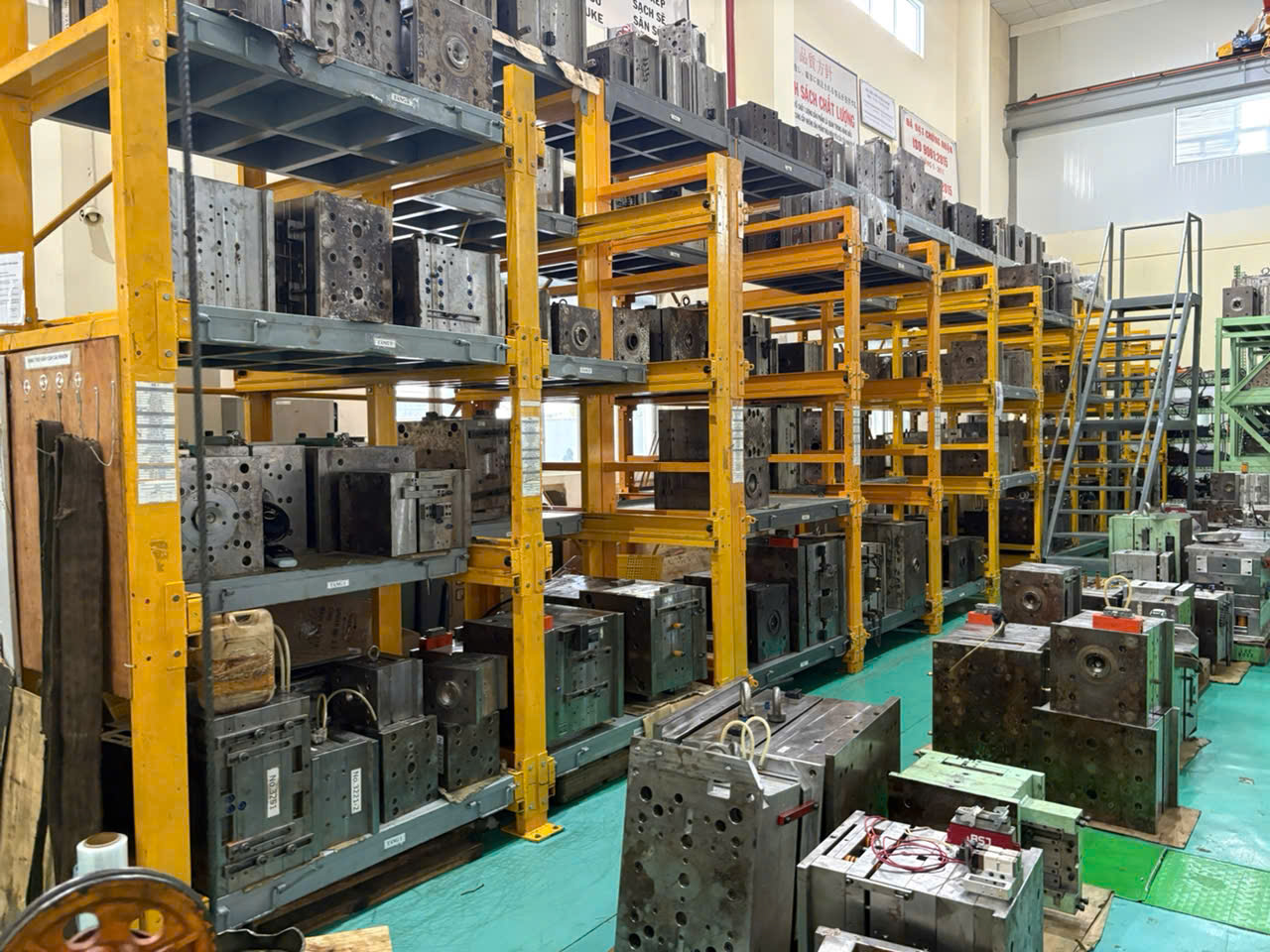
Zinc die tooling is simpler and cheaper than aluminum tooling because of lower operating temperatures and pressures. Here's what tooling costs look like from our Vietnam partner network:
| Die Complexity | Vietnam | China | US Domestic |
|---|---|---|---|
| Simple (1 cavity, no slides) | $3,000–6,000 | $2,500–5,000 | $10,000–18,000 |
| Medium (2–4 cavities or 1–2 slides) | $6,000–15,000 | $5,000–12,000 | $18,000–35,000 |
| Complex (multi-cavity + slides + overflows) | $15,000–30,000 | $12,000–25,000 | $35,000–65,000 |
| Multi-slide / 4-slide specialty | $8,000–20,000 | $6,000–15,000 | $20,000–45,000 |
Vietnam tooling is 5–20% more than China, but 50–65% less than US domestic. And with zinc dies lasting 500K–1M+ shots, tooling cost per part becomes negligible at production volumes. A $10,000 die amortized over 500,000 parts = $0.02/part.
Quality Standards & What to Specify
When sourcing zinc die castings, your RFQ should reference these standards:
- ASTM B86 — Standard specification for zinc alloy die castings (alloy composition, mechanical properties)
- EN 12844 — European standard for zinc and zinc alloy castings
- NADCA Standards — Die casting dimensional tolerances, draft angles, and surface finish specifications
- ASTM B117 — Salt spray testing for plated/coated zinc castings (specify hours: 24h, 48h, 96h, or 200h+)
- RoHS/REACH — If your product ships to EU markets, specify compliance upfront
- PPAP Level 3 — For automotive applications: dimensional reports, material certs, process flow, control plan
Common Defects to Watch For
- Porosity — Most common zinc casting defect. Caused by trapped gas or shrinkage. Specify X-ray inspection for pressure-critical parts or cosmetic surfaces that will be plated.
- Cold shuts — Where two metal fronts meet but don't fully fuse. Usually a gating/temperature issue. Visual inspection catches these.
- Flash — Excess metal at parting lines. Acceptable if trimmed clean per drawing. Specify maximum flash thickness (typically ≤0.15 mm after trim).
- Blister — Subsurface gas that erupts during plating or painting. Caused by moisture in the die. Critical to catch before finishing.
Surface Finishing Options for Zinc Castings
Zinc accepts the widest range of finishes of any die cast alloy:
- Chrome plating (decorative) — Copper-nickel-chrome layers. $0.08–0.25/part depending on size. The classic "chrome look" for hardware and automotive.
- Nickel plating — $0.05–0.15/part. Corrosion protection + decorative. Bright, satin, or matte finishes.
- Powder coating — $0.03–0.10/part. Wide color range. 60–100 μm coating thickness. UV resistant.
- Black oxide — $0.02–0.05/part. Low-cost black finish. Minimal dimensional change.
- Electroless nickel — $0.15–0.40/part. Uniform coating even in recesses. Excellent corrosion resistance.
- PVD coating — $0.20–0.60/part. Premium finish for consumer electronics and luxury hardware.
Lead Times & Production Planning
| Phase | First Order | Repeat Orders |
|---|---|---|
| Die design & fabrication | 3–5 weeks | — |
| Sampling (T1 trial) | 1 week | — |
| Production casting | 2–3 weeks | 1–2 weeks |
| Secondary ops & finishing | 1–2 weeks | 1 week |
| Sea freight to US West Coast | 3–4 weeks | 3–4 weeks |
| Total | 10–15 weeks | 5–7 weeks |
For urgent orders, air freight from Vietnam to the US adds 3–5 days at $4–8/kg — still economical for small, dense zinc parts. A 500-piece rush order of 200g parts = 100 kg = $400–800 in air freight.
How to Write Your Zinc Die Casting RFQ
- 3D model (STEP or Parasolid) + 2D drawing with GD&T — specify draft angles, parting line location preference, and critical dimensions.
- Alloy specification — Zamak 3, 5, 2, or ZA-8 per ASTM B86. Don't just say "zinc."
- Surface finish requirements — As-cast, polished, plated, painted. Specify Ra value for critical surfaces and salt spray hours for coated parts.
- Annual volume & order frequency — Affects die cavitation strategy and pricing breaks.
- Secondary operations — CNC machining (specify features and tolerances), tapping, deburring, assembly.
- Quality requirements — PPAP level, X-ray inspection needs, dimensional report format, material cert requirements.
- Compliance — RoHS, REACH, Prop 65, UL, or industry-specific certifications.
Why Source Zinc Die Castings Through Dewin?
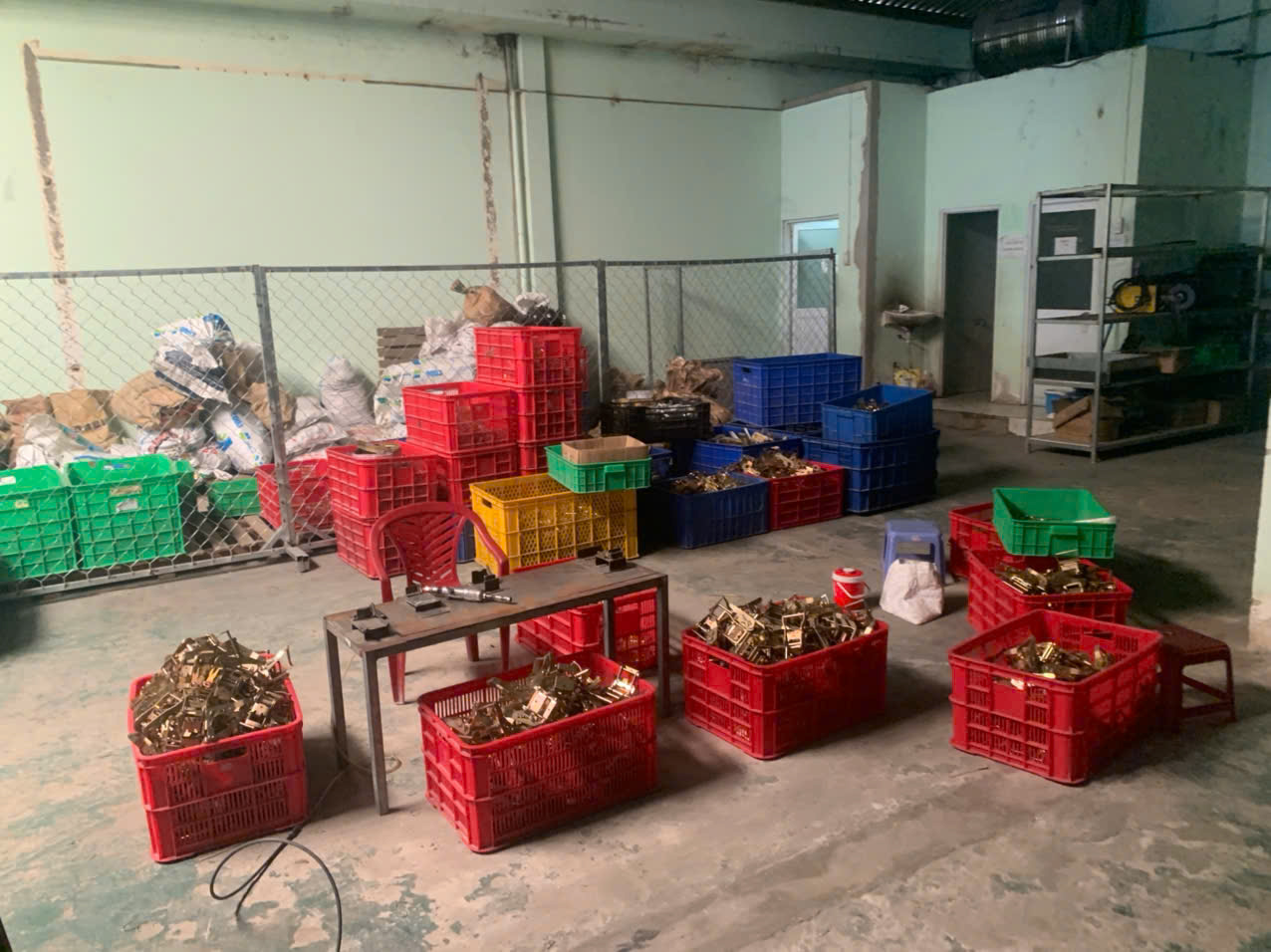
We've audited zinc die casting foundries across Ho Chi Minh City, Binh Duong, Dong Nai, and Long An — with 9,300+ factory floor photos in our database. For zinc die casting specifically:
- Factory matching: We pair your part specs with the right foundry — some specialize in micro zinc castings (<10g), others in larger structural parts (500g+). Machine tonnage, automation level, and finishing capabilities all factor in.
- Die review: Our engineers review die design before steel is cut — checking gating, venting, cooling channels, and ejection to minimize trial iterations.
- First article inspection: On-site dimensional verification, material composition testing (spectrometer), and surface quality assessment before production approval.
- Zero tariff advantage: All zinc castings from our Vietnam partners enter the US at 0% duty under current trade policy — saving you 25% vs identical parts from China.
Get a Zinc Die Casting Quote in 48 Hours
Send us your 3D model + drawing with alloy spec, finish requirements, and annual volume. We'll return a detailed quote covering die tooling, per-piece casting, secondary operations, finishing, and landed cost at your US facility.
Request a Quote →Frequently Asked Questions
What's the minimum order quantity for zinc die casting from Vietnam?
Most foundries have MOQs of 2,000–5,000 pieces for production orders, though first-article runs of 200–500 pieces are common. For simple parts on existing multi-cavity dies, some factories will run as few as 1,000 pieces.
Is zinc die casting stronger than aluminum die casting?
Zamak alloys have higher tensile strength than most aluminum die casting alloys (283–374 MPa vs 220–330 MPa for A380/ADC12). However, zinc is 2.5× denser than aluminum, so for weight-critical applications like aerospace, aluminum wins on strength-to-weight ratio.
Can I move my existing China zinc die tooling to Vietnam?
Sometimes. If the die is in good condition and well-documented, transferring is viable. However, different machines may require adapter plates or gating modifications. We recommend a die assessment before deciding — in many cases, building a new die in Vietnam is faster and more reliable than transferring.
How do Vietnam zinc castings compare to China on quality?
The top-tier Vietnamese zinc foundries — many trained by Japanese or Korean parent companies — produce quality equal to coastal China shops. The key is factory selection: we only work with ISO 9001-certified foundries running Toshiba, LK, or Frech machines with spectrometer-verified alloy control.