Custom Valve Body Manufacturing: How US Buyers Save 40–55% Sourcing From Vietnam (2026)
March 10, 2026 · 16 min read
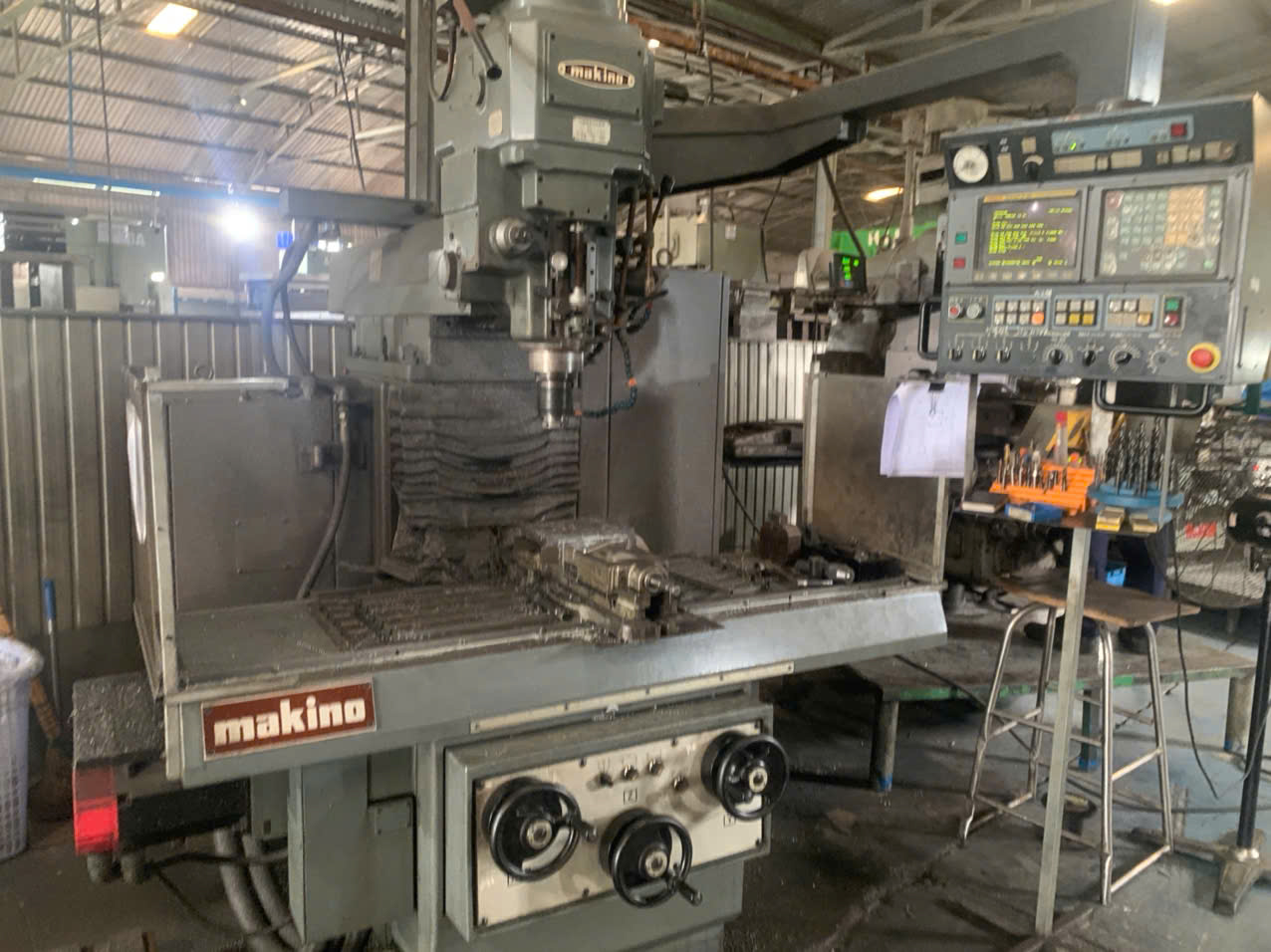
Valve bodies are among the most demanding parts to source. They require tight tolerances on bore and sealing surfaces, pressure integrity at rated PSI, material certifications traceable to the melt, and surface finishes that ensure leak-free operation over millions of cycles. Getting any of these wrong means field failures, warranty claims, and potentially catastrophic safety incidents.
For US buyers — whether you're in oil & gas, water infrastructure, HVAC, industrial process control, or marine — the sourcing equation has shifted dramatically. Domestic US valve machining shops quote $85–200+ per valve body depending on size and material. Chinese suppliers offer 40–50% savings but now carry 25% Section 301 tariffs on most valve components (HTS 8481), effectively erasing the cost advantage and creating unpredictable landed costs.
Vietnam has emerged as the optimal sourcing region: 0% tariff on valve bodies entering the US, costs 40–55% below domestic, and a rapidly maturing precision machining ecosystem with ISO 9001 and API certifications.
Valve Body Types: What You Can Source
Gate Valve Bodies
The workhorse of pipeline isolation. Gate valve bodies require precise bore concentricity (typically ±0.025mm), flat sealing surfaces with Ra ≤ 0.8μm, and pressure ratings from Class 150 to Class 2500. Vietnamese foundries cast these in carbon steel (A216 WCB), stainless steel (CF8M/CF3M), and duplex stainless — then CNC machine all critical features.
Typical Vietnam cost: $28–65 per body (2"–6" Class 150–600), vs. $65–150 US domestic. Tooling for patterns: $1,500–4,000.
Ball Valve Bodies
Ball valves demand tight spherical bore tolerances and smooth bore finishes for the ball to seal against. Two-piece and three-piece designs are standard. Vietnamese shops machine these from forgings or investment castings, with bore tolerances of ±0.015mm achievable.
Typical Vietnam cost: $18–45 per body (1"–4" Class 150–300), vs. $45–110 US domestic.
Butterfly Valve Bodies
Butterfly valves are widely used in HVAC, water treatment, and chemical processing. The body machining is relatively straightforward — the critical features are the bore diameter, disc seat surface, and shaft bore alignment. Vietnamese manufacturers produce these in ductile iron (GGG40/GGG50), cast iron, and stainless steel.
Typical Vietnam cost: $15–40 per body (4"–12"), vs. $40–95 US domestic.
Check Valve & Globe Valve Bodies
Check valves require precise seating surfaces and flow path geometry that affects Cv (flow coefficient). Globe valves need tight disc-to-seat alignment. Both are well within Vietnamese manufacturing capability, typically produced via investment casting + CNC finishing.
The Tariff Math: Why China No Longer Makes Sense
Let's run real numbers on a 3" Class 150 stainless steel ball valve body:
| Cost Component | US Domestic | China + Tariff | Vietnam |
|---|---|---|---|
| Casting + machining | $78.00 | $32.00 | $34.00 |
| Section 301 tariff (25%) | — | $8.00 | $0.00 |
| Standard import duty | — | $1.60 | $0.00 |
| Freight (per part, sea) | — | $2.80 | $3.10 |
| Quality inspection | Included | $1.50 | $1.50 |
| Landed cost per body | $78.00 | $45.90 | $38.60 |
| Savings vs. US domestic | — | 41% | 51% |
The China option saves 41% before tariff uncertainty. Vietnam saves 51% with zero tariff risk. And those tariffs can change with a single executive order — Vietnam's 0% rate is backed by stable MFN trade status.
Materials & Specifications
Cast Materials
- Carbon steel: A216 WCB, A352 LCB (low-temp) — most common for oil & gas, water
- Stainless steel: CF8 (304 equiv.), CF8M (316 equiv.), CF3M (316L equiv.) — chemical, food, marine
- Duplex stainless: A890 4A/5A — offshore, high-corrosion environments
- Ductile iron: GGG40, GGG50 — water infrastructure, HVAC, fire protection
- Bronze: C95800 (NAB), C83600 — marine, seawater service
Wrought / Forged Materials
- Forged steel: A105, A182 F316/F316L — high-pressure applications (Class 800+)
- Brass: C36000 (free-machining), C37700 (forging brass) — plumbing, low-pressure
- Aluminum: 6061-T6, A356-T6 — pneumatic valves, lightweight applications
Critical Quality Requirements for Valve Bodies
Valve bodies aren't decorative parts — they contain pressure. Here's what your specification should address:
Pressure Testing
Every valve body must pass hydrostatic shell testing per API 598 or EN 12266. Shell test pressure = 1.5× rated pressure; seat test = 1.1× rated pressure. Vietnamese factories in our network perform 100% pressure testing with digital recording.
Dimensional Tolerances
- Bore diameter: ±0.025mm (precision-machined)
- Flange face flatness: 0.01mm per 25mm diameter
- Face-to-face dimensions: per ASME B16.10 (±1.5mm for Class 150, ±2.0mm for Class 300+)
- Thread dimensions: per ASME B1.20.1 (NPT) or ISO 7-1 (BSPT)
- Sealing surfaces: Ra ≤ 0.8μm for metal-seated valves
Material Certification
Require EN 10204 Type 3.1 certificates for every heat. Vietnamese foundries routinely provide spectrometer analysis, mechanical testing (tensile, impact, hardness), and full chemical composition reports. For critical service, specify PMI (Positive Material Identification) on finished parts.
NDE (Non-Destructive Examination)
- Radiographic testing (RT) per ASME B16.34 for Class 600+ or sour service
- Liquid penetrant testing (PT) on all machined surfaces for stainless steel bodies
- Magnetic particle testing (MT) for carbon steel castings
- Ultrasonic testing (UT) for forged valve bodies per ASME SA-388
Manufacturing Process: Casting to Finished Body
- Pattern / tooling: Wood or aluminum patterns for sand casting; wax injection molds for investment casting. Lead time: 2–4 weeks.
- Casting: Sand casting for bodies >2" in steel/iron; investment casting for smaller, precision bodies. Foundries pour according to ASTM material specs with controlled pour temperature and cooling rates.
- Heat treatment: Solution annealing for stainless (1040–1100°C, water quench), normalizing + tempering for carbon steel, annealing for ductile iron. All per ASTM specs.
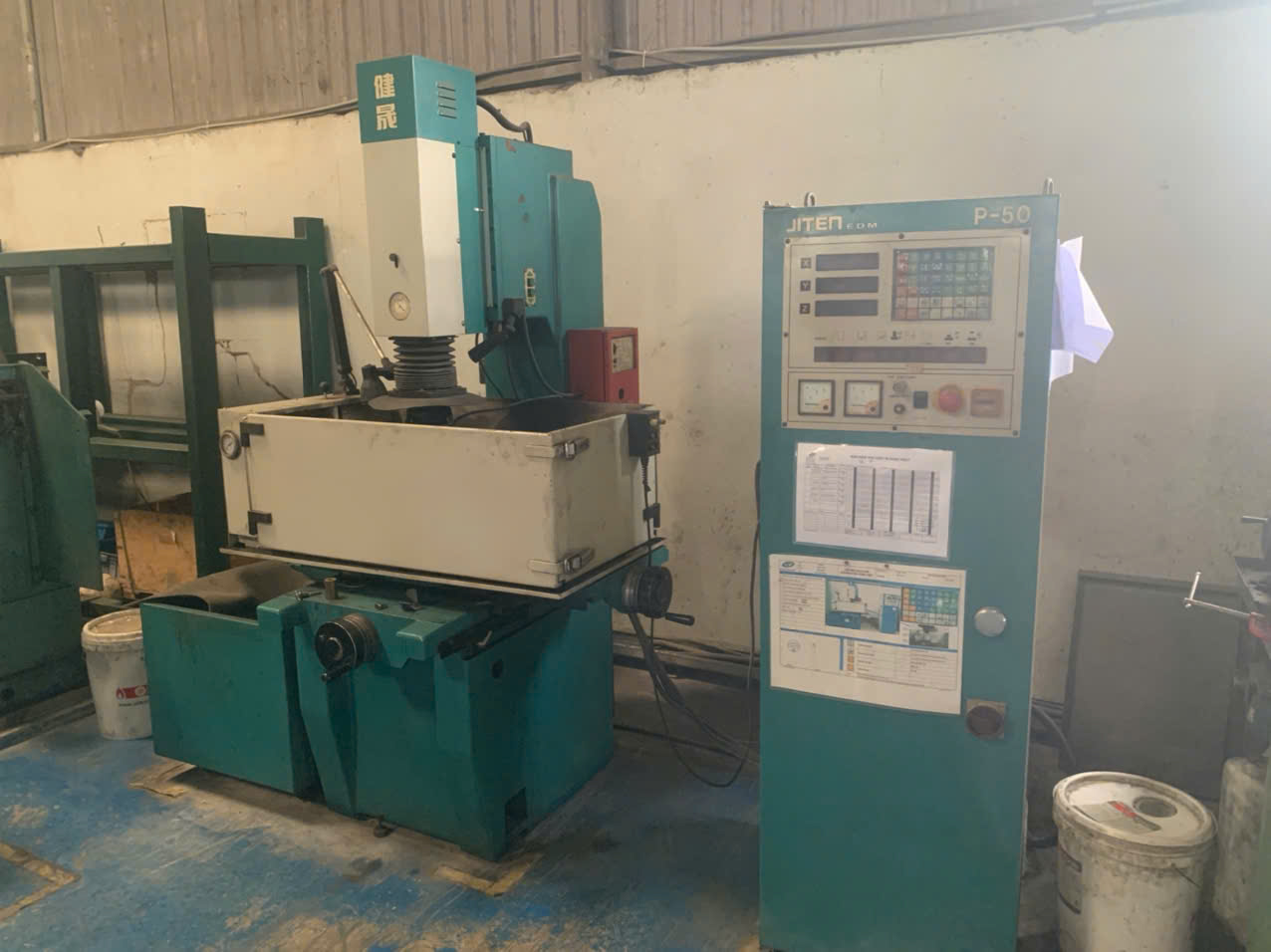
- CNC machining: Bore, flanges, threads, sealing surfaces machined on horizontal or vertical CNC centers. Most shops use Fanuc, Mazak, or Haas equipment. Critical bores machined in a single setup for concentricity.
- Surface finishing: Flange faces machined to RF (raised face) or RTJ finish per ASME B16.5. Body exterior can be shot-blasted, painted, or powder-coated.
- Testing & inspection: Hydrostatic pressure test, dimensional CMM inspection, material cert verification, NDE as specified.
- Packaging & shipping: Individual poly-bag + foam, palletized for sea freight. Typical transit: 18–22 days Ho Chi Minh City to US West Coast, 28–32 days to East Coast.
Lead Times & MOQs
| Phase | First Order | Repeat Orders |
|---|---|---|
| Pattern / tooling | 2–4 weeks | — |
| Casting | 3–5 weeks | 2–3 weeks |
| CNC machining | 2–3 weeks | 1–2 weeks |
| Testing & finishing | 1 week | 3–5 days |
| Sea freight to US | 3–4 weeks | 3–4 weeks |
| Total | 11–16 weeks | 6–9 weeks |
MOQs vary by factory and part complexity. For investment cast valve bodies, typical MOQ is 200–500 pieces per order. For sand cast bodies, MOQ can be as low as 50 pieces. Forged bodies: 100–300 pieces. We regularly negotiate lower MOQs for first-article runs.
Industry Standards & Certifications
Vietnamese valve manufacturers in our network hold:
- ISO 9001:2015 — Quality management (all factories)
- API 600 / API 602 / API 608 — Gate, globe, and ball valve standards
- CE / PED (2014/68/EU) — European pressure equipment directive
- API 6D — Pipeline valves
- ASME B16.34 — Valve design standard for flanged, threaded, and welding end
- NSF/ANSI 61 & 372 — Drinking water system components (lead-free compliance)
- IATF 16949 — Automotive quality (for automotive valve applications)
How to Write Your Valve Body RFQ
A complete RFQ gets you accurate quotes faster. Include:
- 3D model (STEP preferred) + 2D drawing with GD&T callouts
- Material specification — ASTM grade, not just "stainless steel"
- Pressure class — per ASME B16.34 (Class 150, 300, 600, etc.)
- End connections — Flanged (RF, RTJ), threaded (NPT, BSPT), socket-weld, butt-weld
- Testing requirements — API 598, EN 12266, special service (NACE MR0175 for sour service)
- NDE requirements — RT, PT, MT, UT per applicable code
- Quantity and schedule — Annual volume, first-order quantity, delivery timeline
- Certifications needed — Material certs, test reports, compliance certificates
Why Source Valve Bodies Through Dewin?
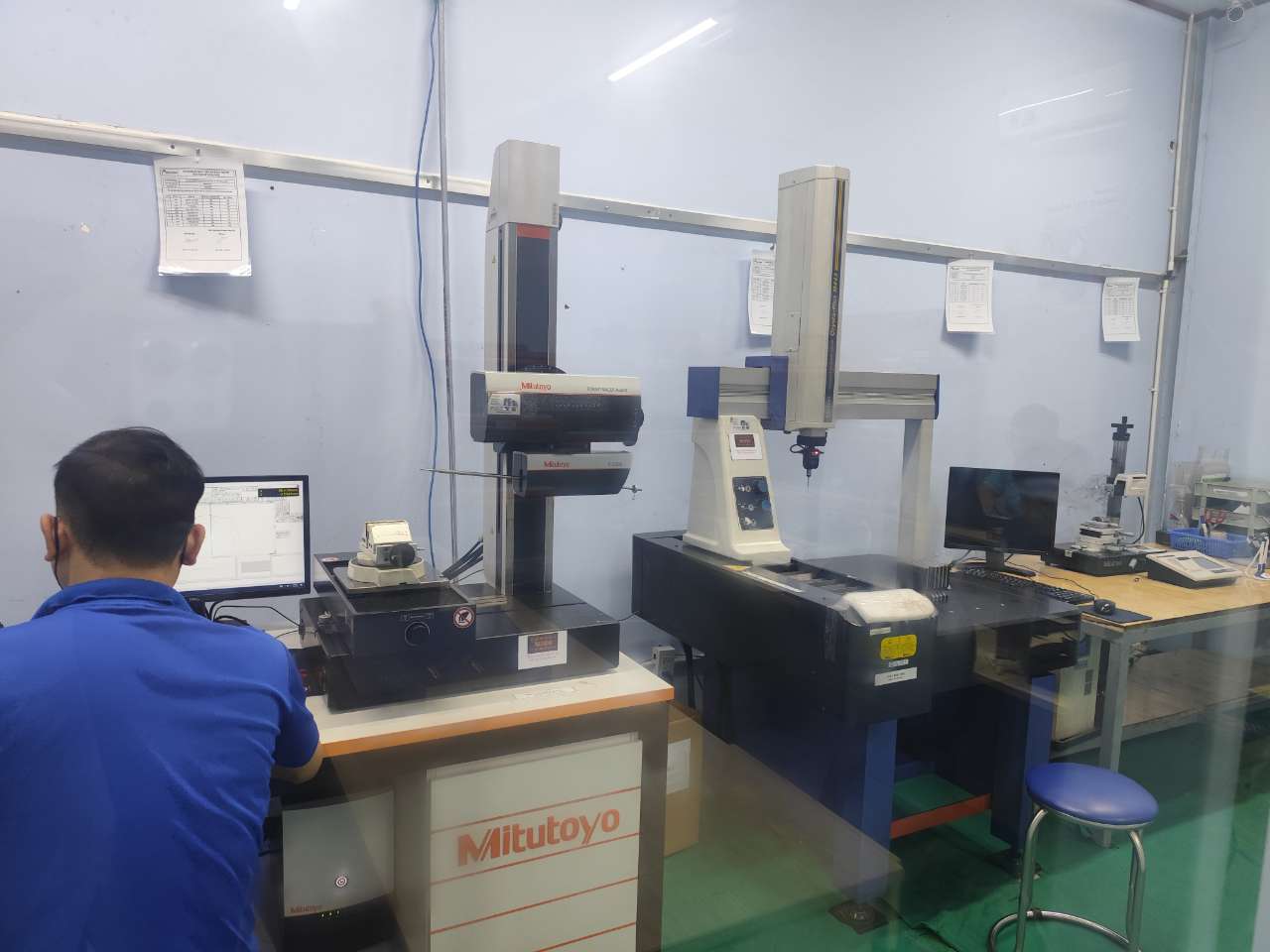
We're not a trading company adding margin. We're an on-the-ground sourcing team that has audited 179+ Vietnamese factories with 9,300+ floor photos. For valve body sourcing specifically:
- Factory matching: We pair your specs with the right foundry + machine shop combination. Some factories excel at small stainless investment castings; others specialize in large ductile iron sand castings. The match matters.
- Quality oversight: Our team inspects first articles on-site, witnesses pressure testing, and verifies material certs before shipment.
- Cost transparency: You see the factory price, our fee, and the logistics cost separately. No hidden markups.
- IP protection: NDAs with every factory, and we manage the relationship so your drawings stay protected.
Get a Valve Body Quote in 48 Hours
Send us your 3D model + drawing with material spec and pressure class. We'll return a detailed quote covering casting tooling, per-piece machining, testing, surface treatment, and landed cost at your US facility.
Request a Quote →